Arizona Philharmonic Brass

Arizona Philharmonic

2021 - 2022 Program Notes

  • Home
  • D'León Quintet
  • AZ Phil Brass
  • Brahms
  • ¡Andalusia!
  • Christmas
  • Sonoran Winds
  • Brandenburg
  • Home
  • D'León Quintet
  • AZ Phil Brass
  • Brahms
  • ¡Andalusia!
  • Christmas
  • Sonoran Winds
  • Brandenburg

Arizona Philharmonic Brass


February 27, 2022
Yavapai Performing Arts Center, Prescott, AZ

Tickets available at AZPhil.org

Stacks Image 580

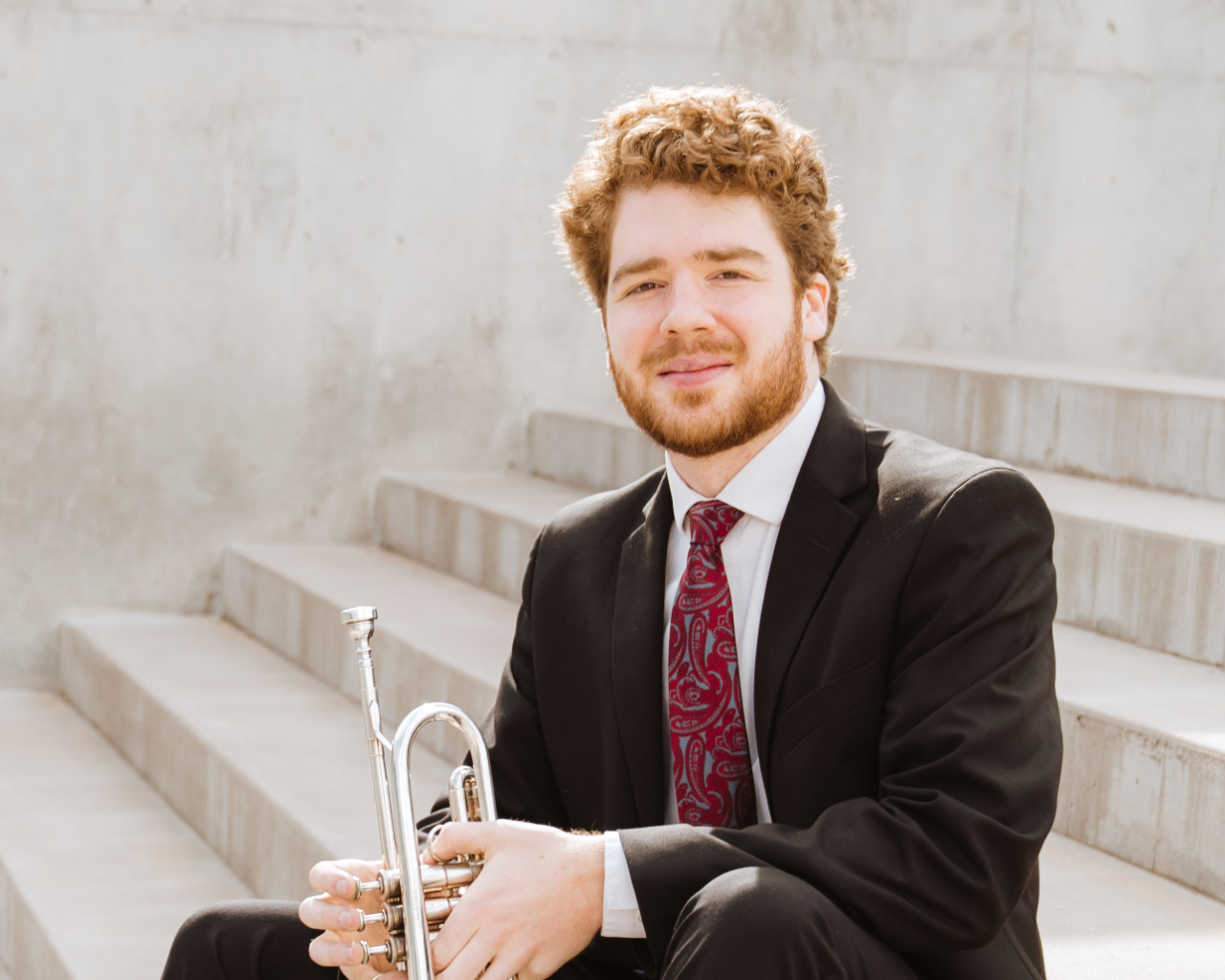
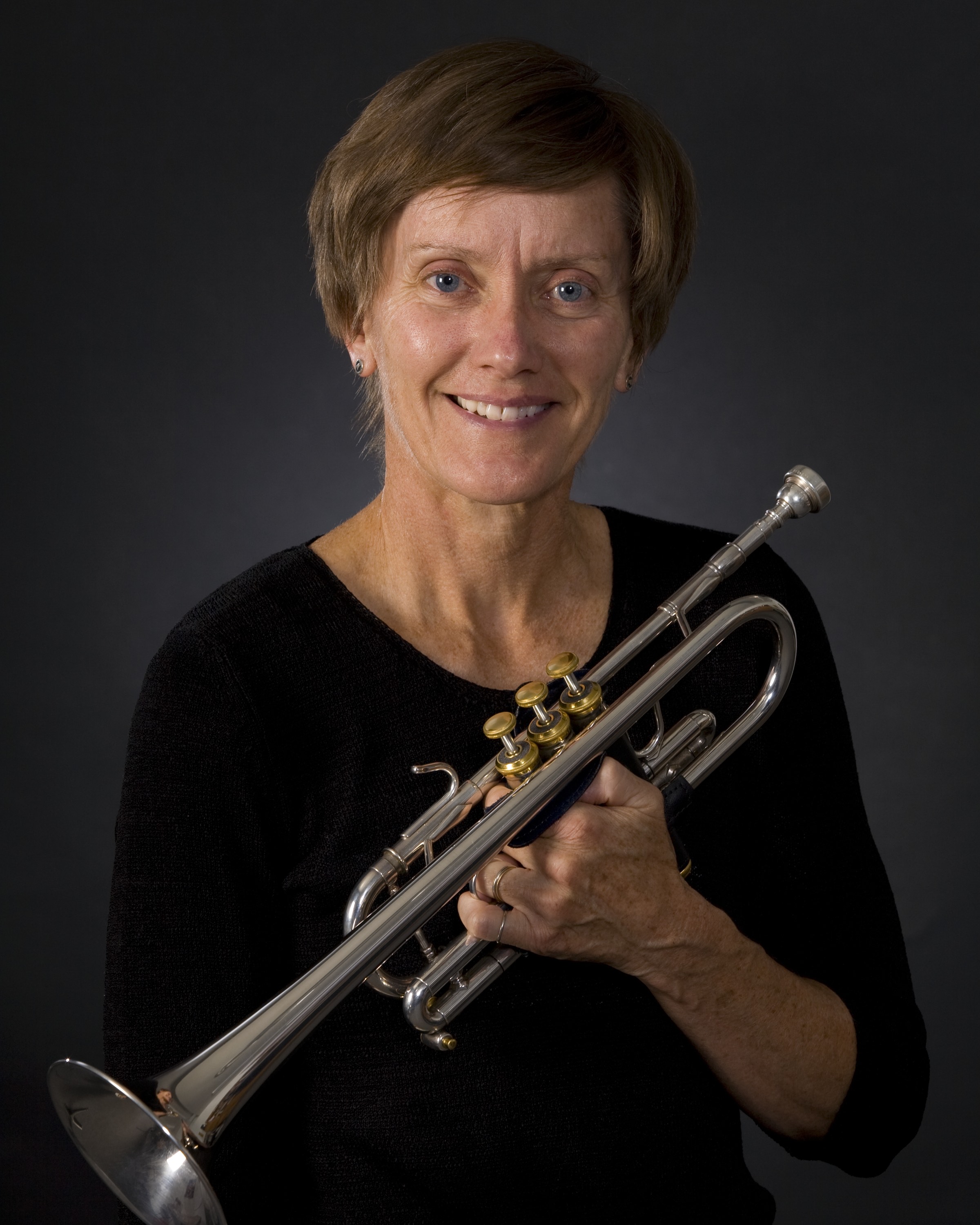
Cindy Gould, trumpet & organizer

Stacks Image 566

Stephen Martin, trumpet

Stacks Image 561

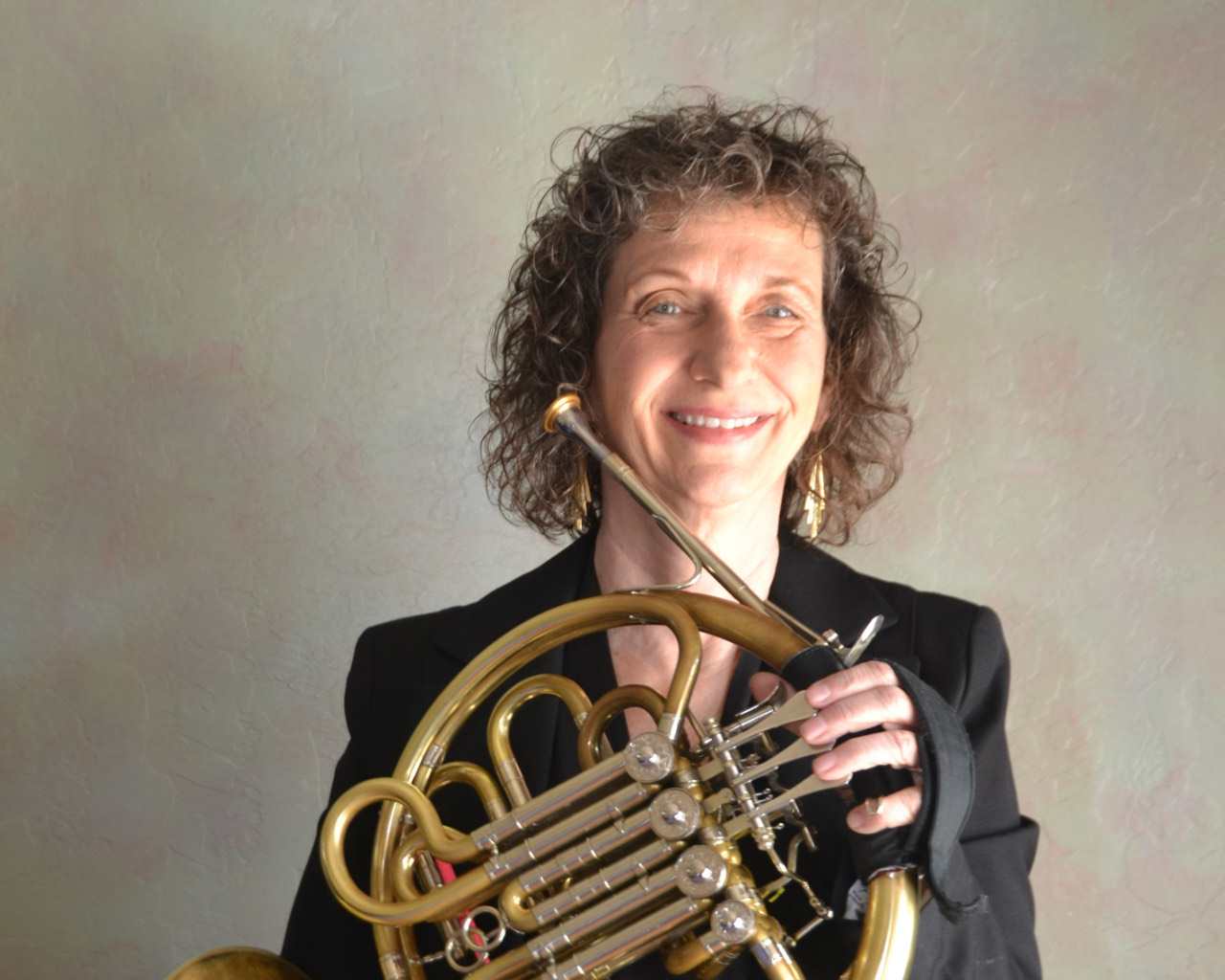
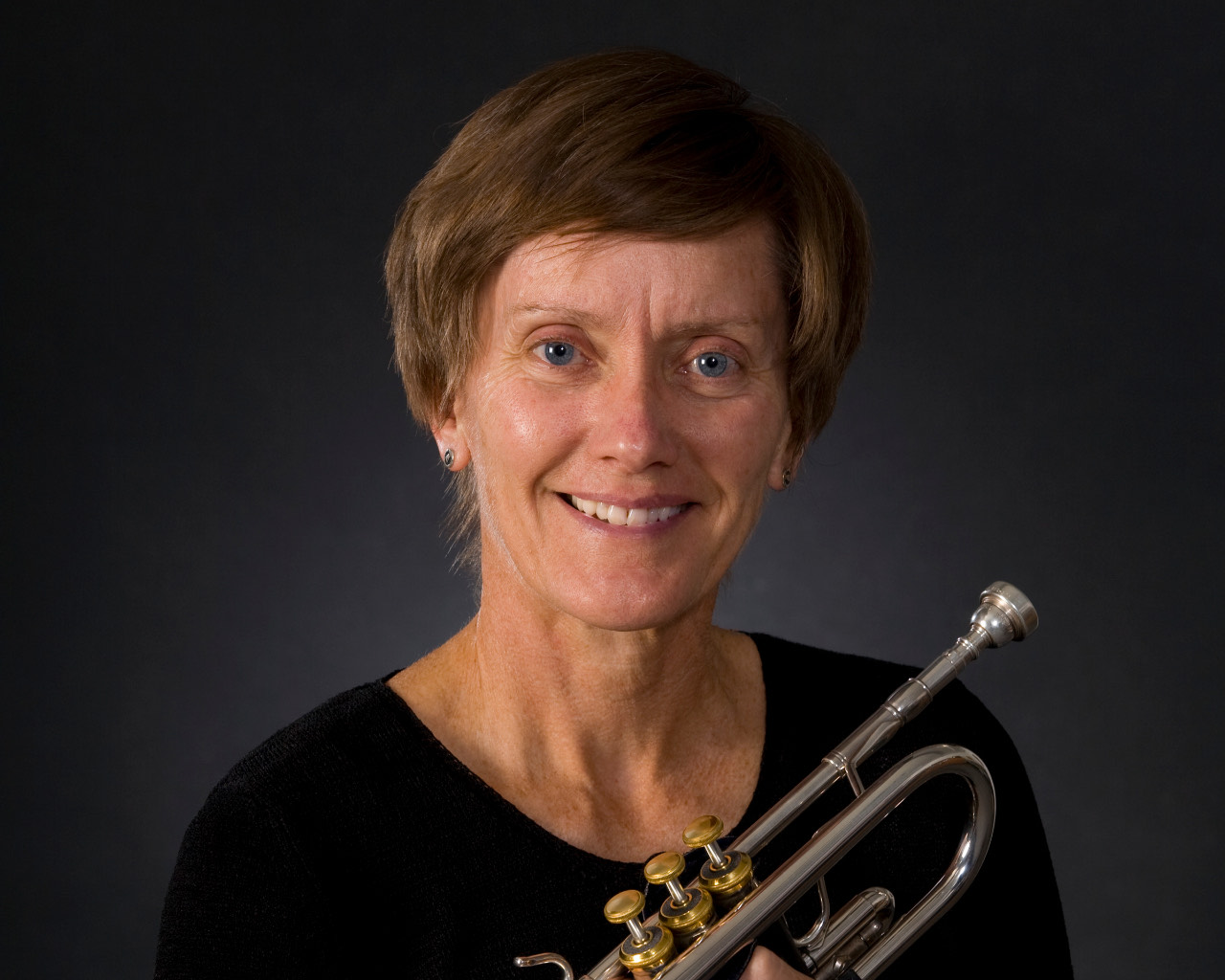
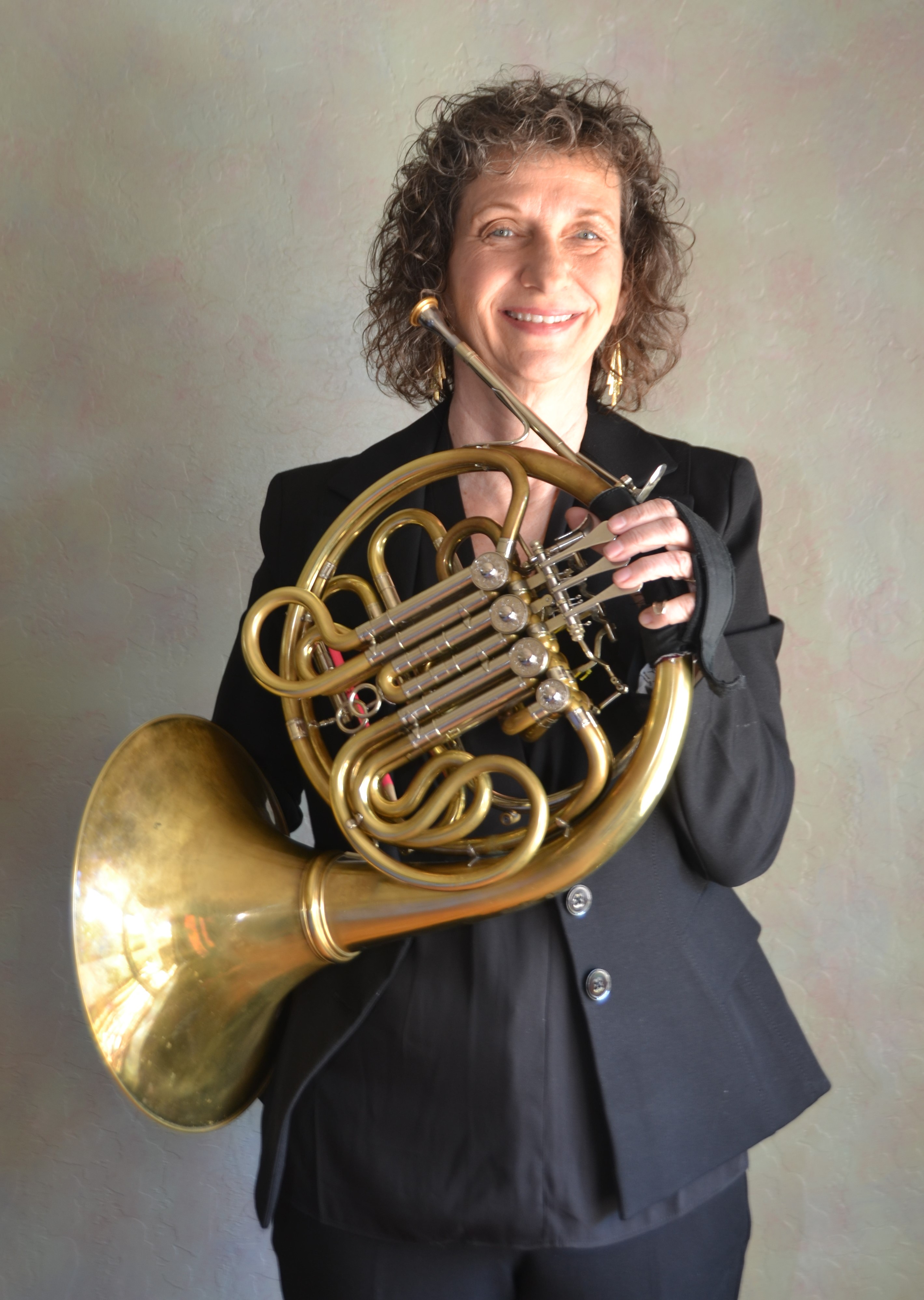
Karen Teplik, horn

Stacks Image 331

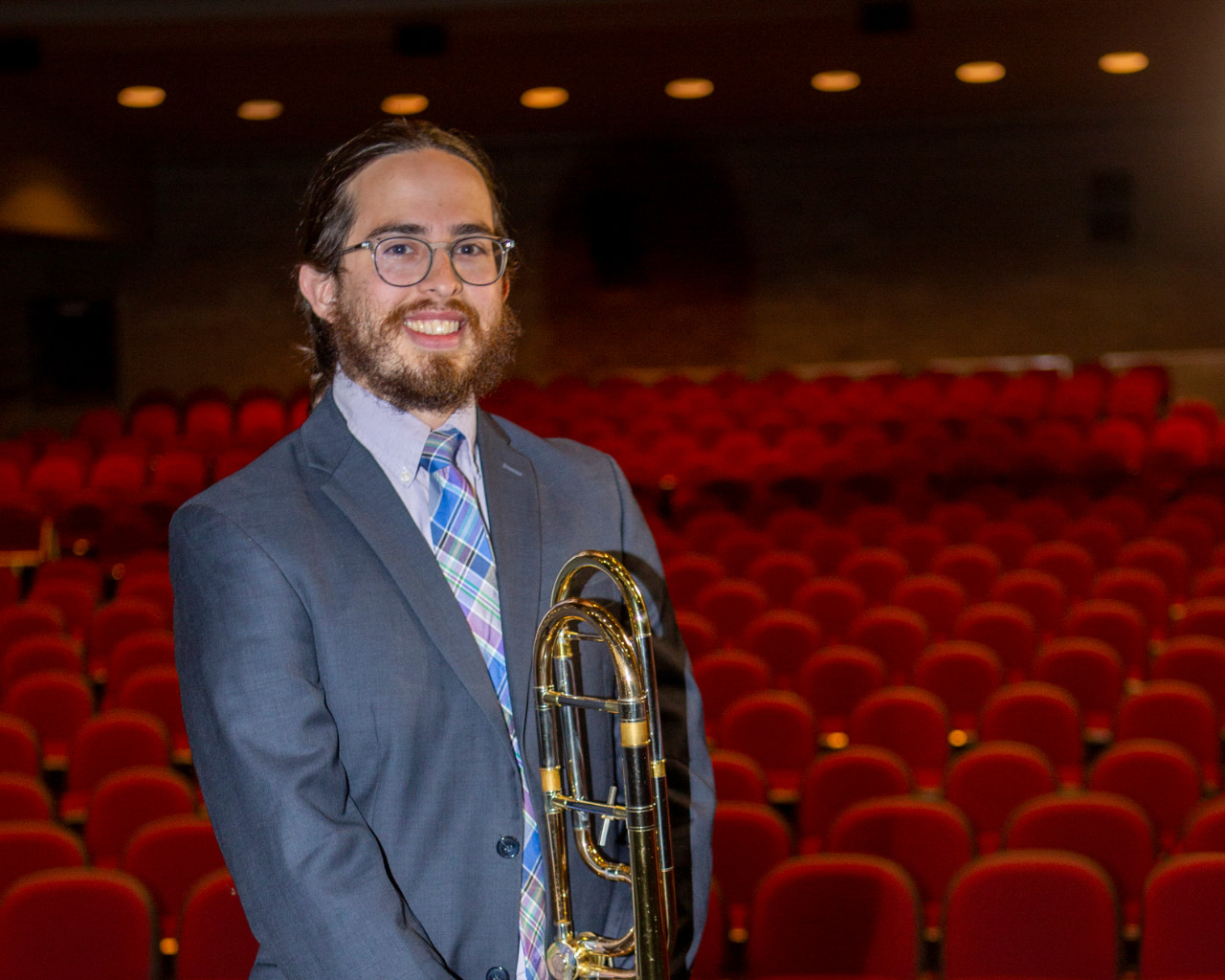
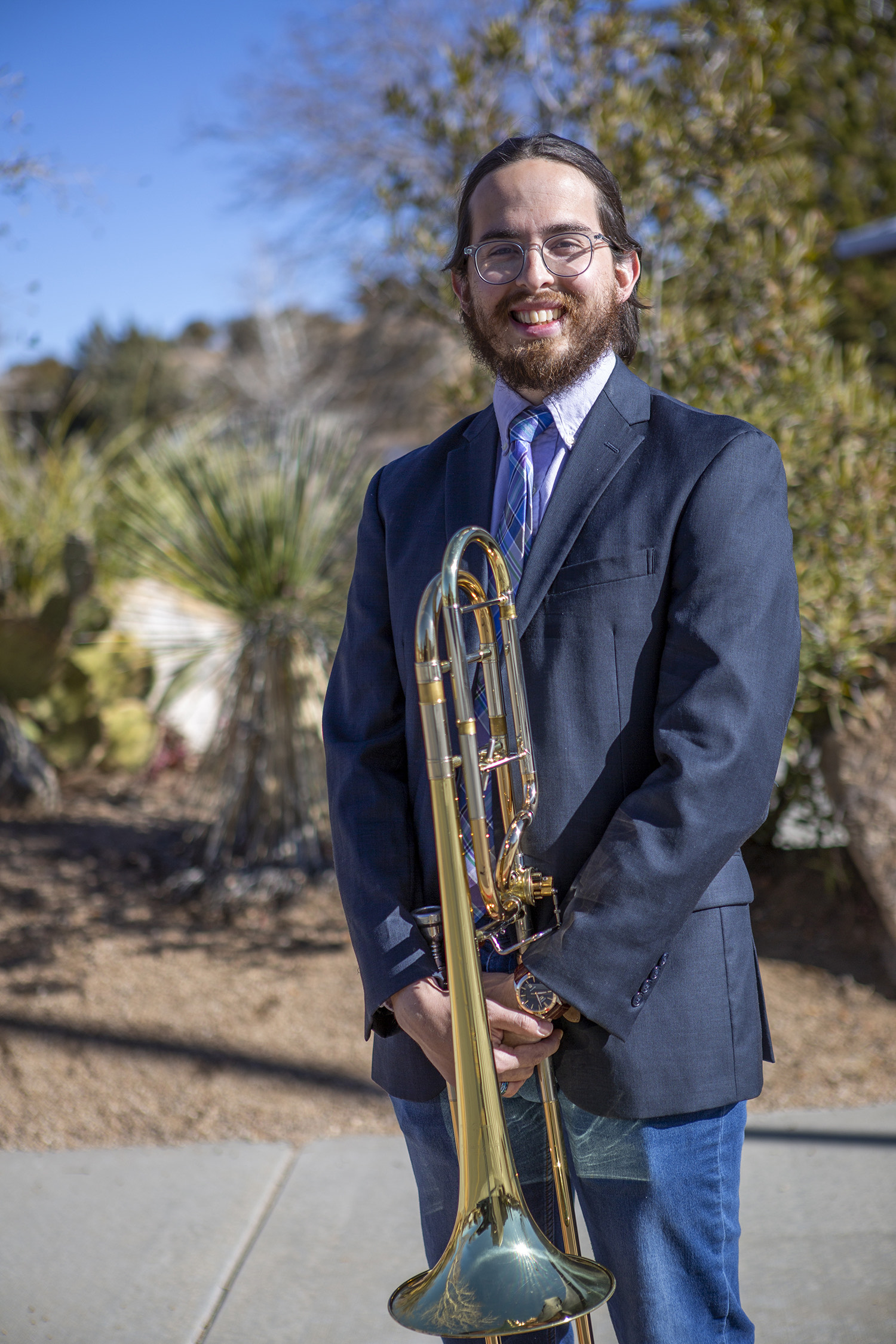
Michael Martinez, trombone

Stacks Image 334

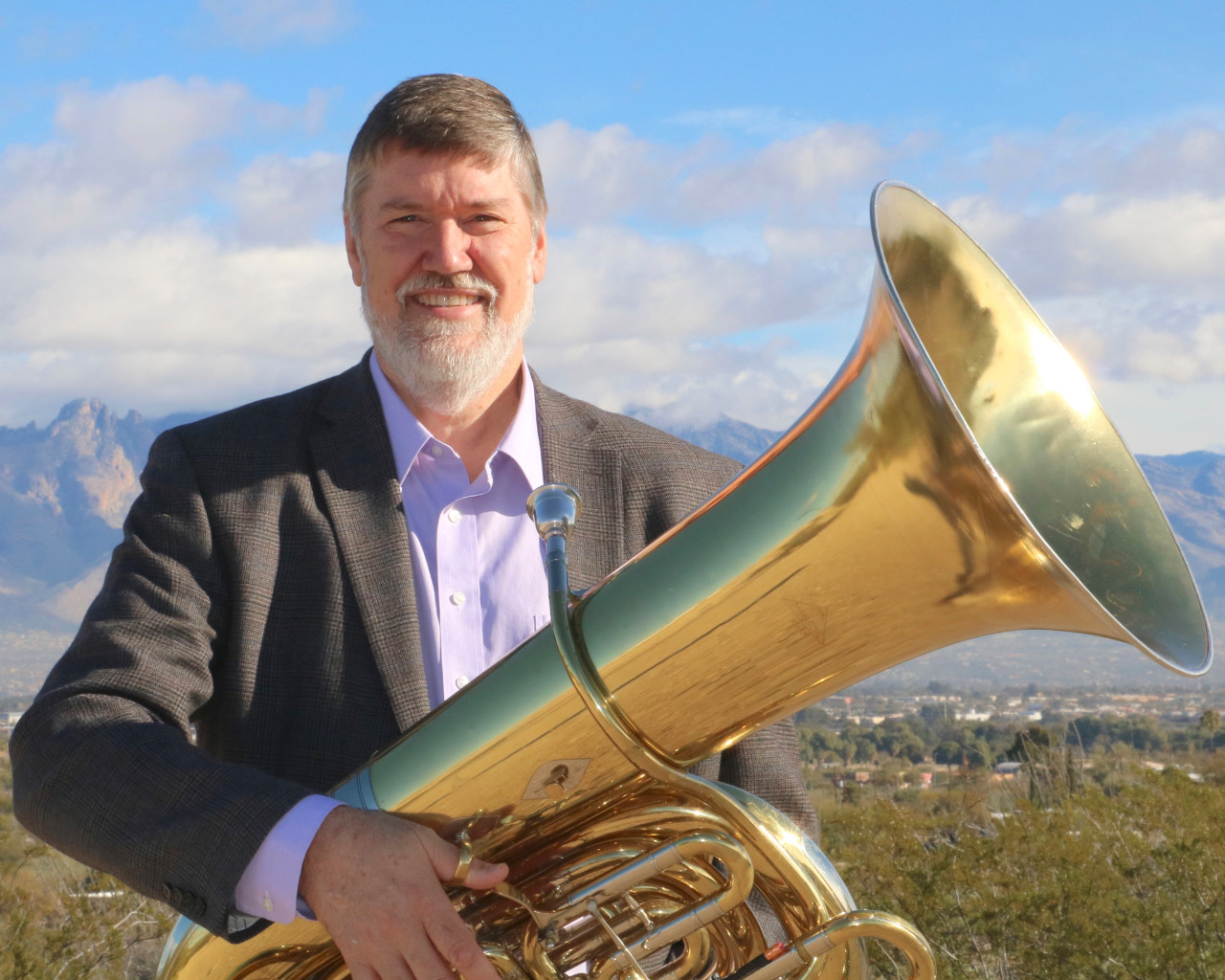
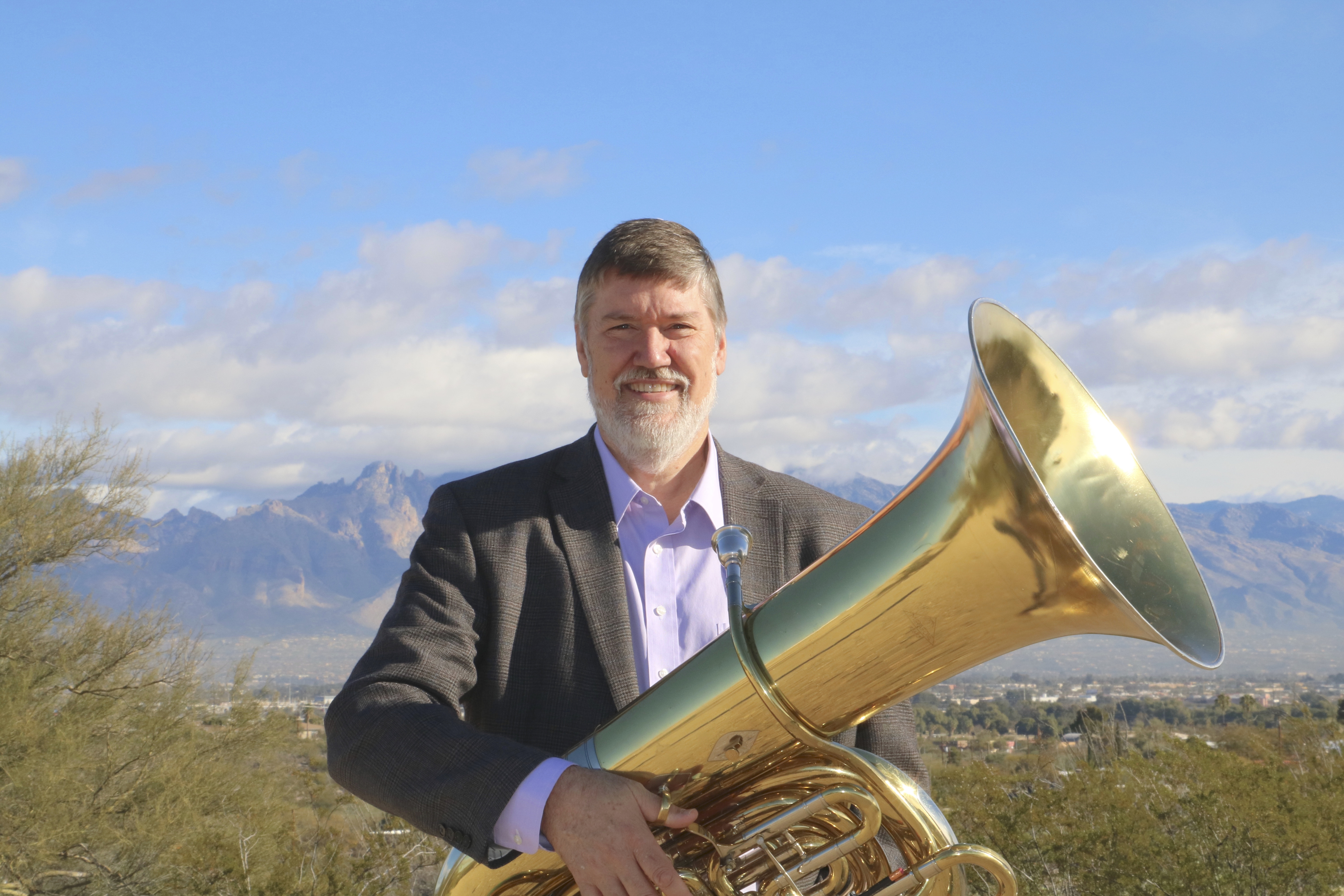
Dr. Mark Nelson, tuba

The brass quintet—two trumpets, horn, trombone, and tuba—is one of the youngest of the standard ensembles in Classical chamber music, emerging only in the years after World War II. It has really been only in the last 60 years or so that composers have written works specifically for this ensemble. This program by the Arizona Philharmonic Brass includes three of these works, by Peter Schickele, Phil Snedecor, and Malcolm Arnold. The remainder of the program is devoted to music that has been adapted for brass quintet: early music by Giovanni Gabrieli, William Byrd, and Samuel Scheidt, a pair of works by J. S. Bach, and the Jazz-inspired pieces by George Gershwin.

Program Order and Notes

  • Touch this icon to expand each section's program notes.
  • Scroll down to read.

Giovanni Gabrieli (ca.1554-1612)
Canzon prima a 5, arr. Arnold Fromme
Stacks Image 178

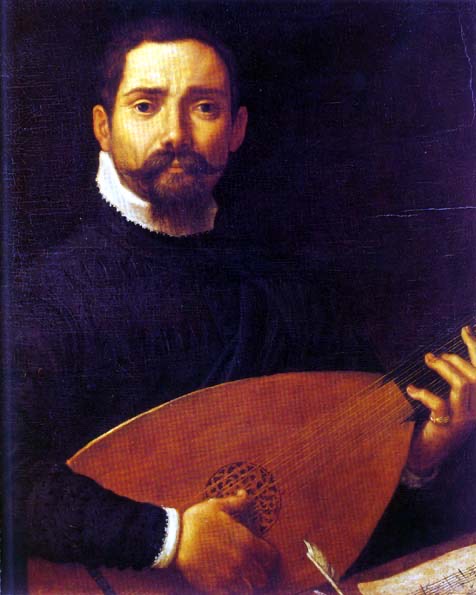
Giovanni Gabrieli

The “most serene republic” of Venice was one of the political and economic superpowers of the late Renaissance. Music and ceremony were expressions of Venice’s civic pride, particularly the stellar musical establishment at the city’s principal church, the basilica of San Marco. In the decades surrounding the turn of the 17th century, San Marco could boast of one of the finest choirs in Europe, but the church also employed a large group of instrumentalists, who played primarily on strings, cornetto (an instrument with a brass-style mouthpiece and a recorder-style body), and trombones. After witnessing a festival at the basilica in 1611, the English traveler Thomas Coryat wrote that the music at San Marco was “...so good, so delectable, so rare, so admirable, so superexcellent, that it did ravish and stupefy all those strangers who had never heard the like. But how the others were affected by it I know not; for mine own part I can say this, that I was for the time even rapt up with Saint Paul into the third heaven.” Among the music that ravished and stupefied Coryat was the work of Giovanni Gabrieli, the finest of the many composers who occupied the organ bench at San Marco in this period. Gabrieli wrote masses and motets for use in the lavish Catholic liturgy at San Marco, but also composed instrumental pieces for use at the basilica. These impressive works have remained phenomenally popular among modern brass players since performing editions became available in the 1960s. The term canzon or canzona in Gabrieli’s day was simply a generic name for an instrumental piece in multiple sections. His Canzona prima a 5 was part of a large collection of instrumental pieces that Gabrieli published in 1615. It evolves in several connected sections, each developing a musical idea in intense imitation among the five players. The adaption for modern brass is by Arnold Fromme, a pioneer in the United States in performing on the early trombone and a founding member of the American Brass Quintet.

William Byrd (1543-1623)
The Earle of Oxford’s Marche, arr. Steven Gamble
Stacks Image 197

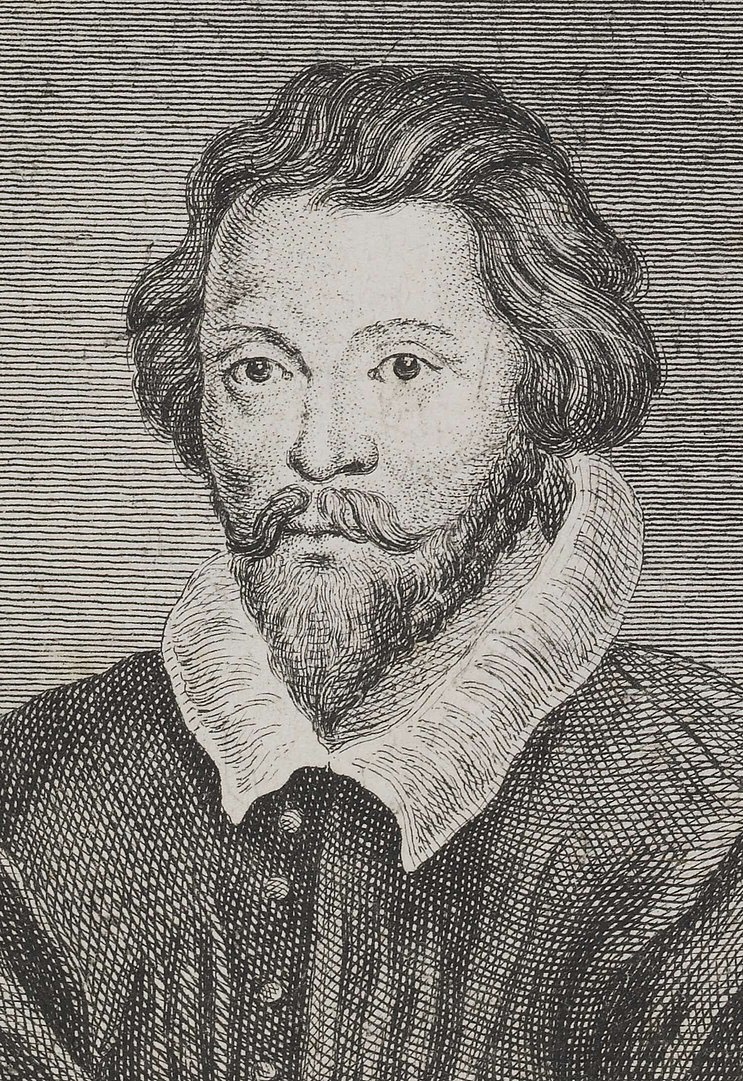
William Byrd

Byrd, perhaps the most important English composer of the late Renaissance, was openly Catholic at a time when this was against the law in England. Though he walked a fine line throughout his career, because of the quality of his work Byrd enjoyed the patronage and protection of both Queen Elizabeth I and King James I. He was known primarily as a composer of sacred vocal music and madrigals, but Byrd was also a prolific composer of instrumental pieces, particularly keyboard works. Among the most famous of these is The Earle of Oxford’s Marche, probably written in the 1570s to honor William de Vere, 17th Earl of Oxford. Byrd and de Vere both joined the court of Elizabeth I in 1572, and the Earl became one of Byrd’s most important supporters. The Marche was originally written for the virginal, a small harpsichord popular in England. One intriguing theory connects the fanfare-style figure at the opening with a distinctive “tucket”—a personal fanfare signifying the arrival of a knight—that de Vere’s trumpeter would play when he entered the lists at a tournament. (Incidentally, William de Vere later became an important patron of English theater, and for those who challenge Shakespeare’s authorship of his plays, and de Vere is the figure most often suggested as the “real Shakespeare!”) The Earle of Oxford’s Marche has been adapted for many different ensembles, and in Steven Gamble’s version for brass quintet, it is a stately march, with brilliant ornamentation passed between all five players.

Johann Sebastian Bach (1685-1750)
My Spirit Be Joyful, arr. Harry Herforth
Stacks Image 860

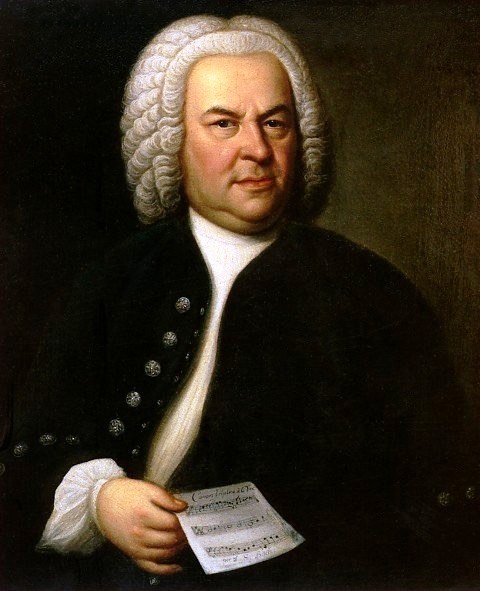
Johann Sebastian Bach

Bach did not invent the Lutheran church cantata, a multi-movement setting of sacred texts, but his cantatas are the finest examples of the form. Though he composed cantatas throughout his career, the great bulk of them were written during his first few years in Leipzig, where he arrived in 1723 to take the position of Kantor at the Thomaskirche—the head church musician in the city. Among many other duties, Bach was expected to produce a cantata every week. The cantata was viewed as an important addition to both the selected Bible verse and the hymn of the day, and Bach’s texts are often drawn from these sources, as well as sacred librettos assembled by Lutheran pastors and Bach himself. In his first years at the Thomaskirche, Bach composed no less than five annual cycles of cantatas, mostly newly-composed: each cycle including some 60 works, one appropriate to each Sunday of the Church Year, and special cantatas for Christmas, and the main feasts of Advent and Lent. Of these 300 works, nearly 200 survive. This vast body of music is represented here by Harry Herforth’s arrangement My Spirit Be Joyful. This is an adaptation of the tenor/bass duet Wie will ich mich freuen from the cantata Wir müssen durch viel Trübsal, BWV 146 (We must pass through great sadness). Bach composed this work in either 1726 or 1728, for the third Sunday after Easter. In this brass quintet version, the joyous vocal lines and lively orchestral accompaniment are distributed among all five instruments.

Peter Schickele (b. 1935)
Polka from Hornsmoke
Stacks Image 849

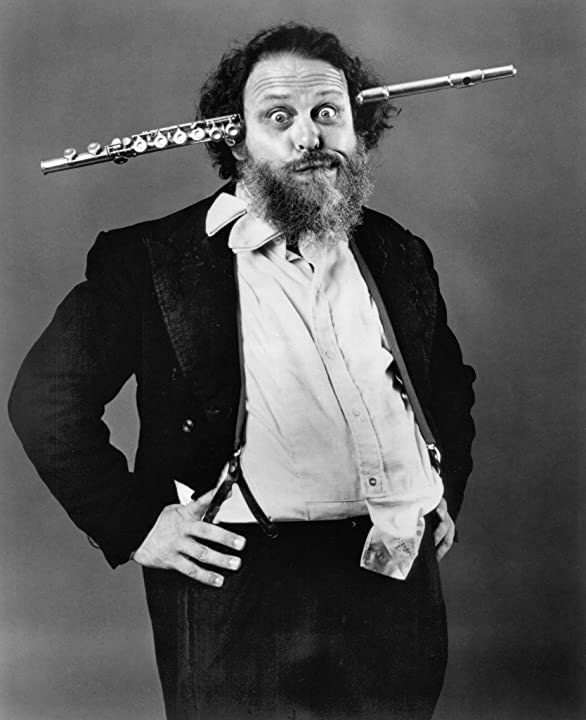
Peter Schickele

Peter Schickele was born in Ames, Iowa, and raised in Washington, DC, and Fargo (near Hoople), North Dakota. He later trained in composition at the Juilliard School, and has had a multifaceted career as a musician, radio host, and composer. Schickele is best-known through his compositional alter ego, P.D.Q. Bach, music which is hilarious on many levels: it works just fine as pure pie-in-the-face comedy, but it is also obvious that Schickele has a deep understanding of the 18th- and 19th-century forms and styles he is parodying. He is also well-respected as a composer under his own name, with well over a hundred published works in many forms; music that frequently displays his own trademark humor. His Hornsmoke: A Horse Opera for Brass Quintet and Narration was composed in 1975 for the famed Canadian Brass. The five players are called on to act and sing as well as play in a very silly drama set town of Spitvalve in the Old West. The characters include the Narrator, Tom Bone (trombone), “professional hero” Blazing Bill Froghorn (horn), Reverend Tubby Mirum (tuba), Tom’s daughter, Cornetta Bone (cornet), and of course a Bad Guy, B-flat Bart (trumpet). The galloping Polka heard here occurs after Bart shows up in Spitvalve, to steal away the newly-married Cornetta.

Phil Snedecor (b. 1963)
Suite for Brass Quintet

  1. Fanfare
  2. Nursery Rhyme
  3. A Day in the Park
  4. Wild Ride

Stacks Image 260

Phil Snedecor

Trumpeter, arranger, and composer Phil Snedecor trained in trumpet and composition at the Eastman School of Music. He is currently on the faculty of the Hartt School of Music in Hartford, Connecticut, and previously taught at the Peabody Institute and George Mason University. As a performer, Snedecor has had a long and successful career as an orchestral player (Baltimore Symphony Orchestra, National Symphony Orchestra, Harrisburg Symphony Orchestra, and others) and as a freelancer. He has been featured on three discs of music for trumpet and organ, largely his own arrangements. Snedecor is also cofounder and director of the Washington Symphonic Brass, a nationally-recognized brass ensemble. He has published dozens of arrangements and compositions. His Suite for Brass was composed in 1998. Each movement has a programmatic title, and in writing about this, the composer has said: “I always thought that music should tell a story, so I really tried to use as much musical imagery as I possibly could in addition to the titles of the movements. The beauty of that, in my opinion, is that once you suggest a certain something to listeners, they come up with their own unique storyline pretty easily.” It opens with a bold Fanfare. This movement has a brief moment of lyricism in the middle, but is dominated by the brash music at beginning and end. Nursery Rhyme begins with a wistful introduction, but soon launches into fast-paced music filled with shifting meters and good humor. The third movement, A Day in the Park, begins with a series of melancholy solos, but evolves into a slightly loopy waltz. The movement ends with a return to the opening mood. The finale, Wild Ride, opens with a forceful reminder of the opening fanfare before beginning a driving, almost frantic, and sometimes jazzy scherzo.

Intermission

Samuel Scheidt (1587-1654)
Galliard battaglia, arr. Verne Reynolds
Stacks Image 240

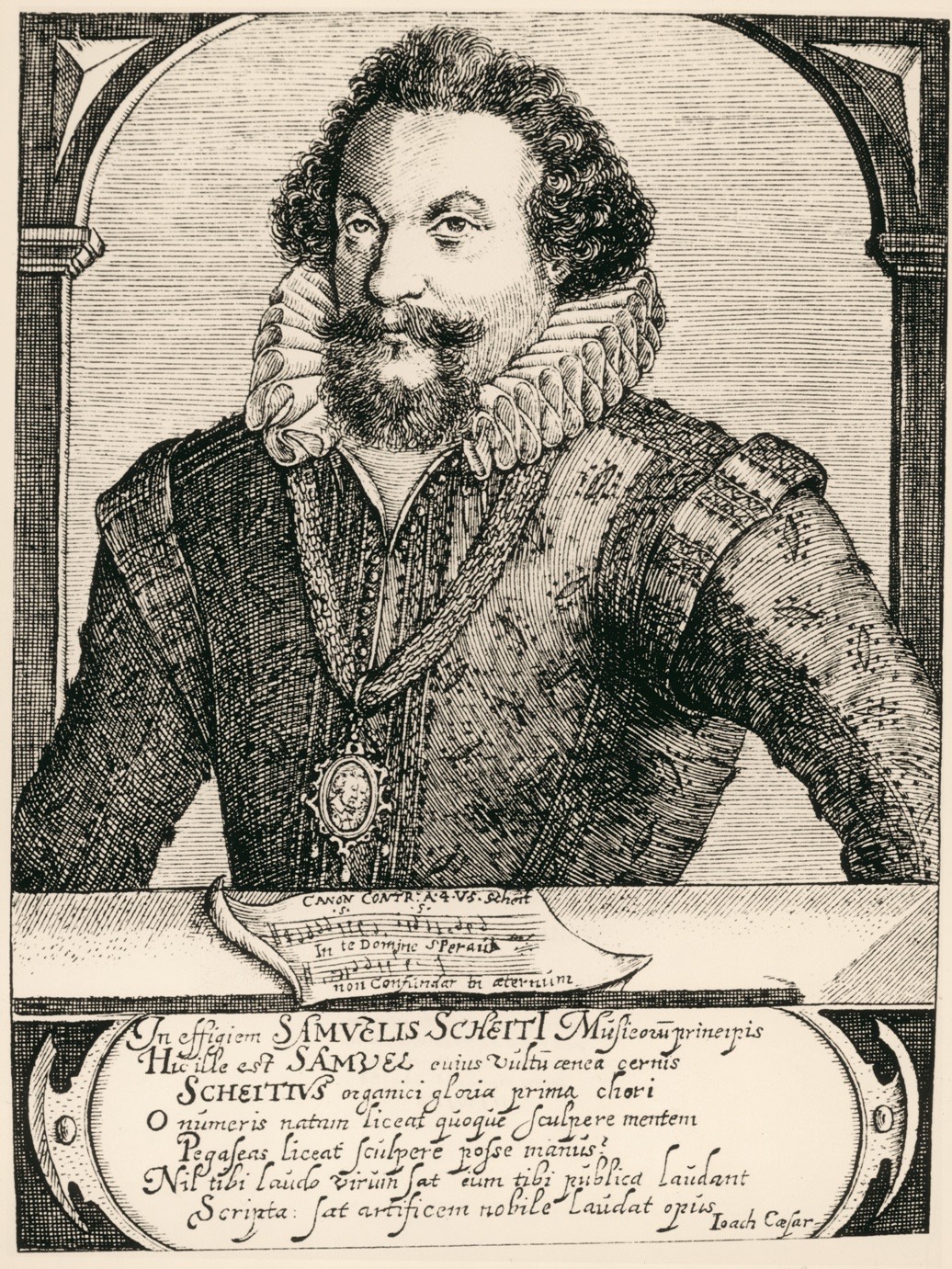
Samuel Scheidt

As a fanfare to the second half of the program, the quintet plays the brilliant Galliard battaglia by the early 17th-century German composer Samuel Scheidt. Scheidt spent most of his career in his hometown, Halle, and was eventually recognized widely as one of Germany’s finest composers and organists. In the early 1620s, he was working in the service of Halle’s administrator Margrave Christian Wilhelm. This was one of the most productive periods of his career, cut short in 1625 by the ravages of the Thirty Years’ War. Among the many collections of music he was able to publish in the early 1620s were four volumes of instrumental pieces titled Ludi musici (Musical Games). Like most instrumental publication of the day, Scheidt allowed for performance by virtually any sort of ensemble, but some of the pieces seem to have been composed expressly with brass instruments in mind. His Galliard battaglia, which appeared in Ludi musici I (1621) is one of these, and was in fact dedicated to one of the cornetto-players at the Margrave’s court. The title takes just a bit of explanation... The galliard was a fast-paced dance with a distinctive hop on every fourth beat. Battaglia identifies this as one of many “battle pieces” of the time that imitated the sound of warfare, which in the early 17th century meant the sound of trumpet calls and drums. In this version for brass quintet, most of the piece is a duel between the two trumpets, passing brilliant fanfares back and forth. The transcription for modern brass is by Verne Reynolds, who was a longtime horn teacher at the Eastman School of Music, and whose arrangements and compositions are well-known to brass players.

George Gershwin (1898-1937)
Three Preludes, arr. Bill Holcombe

  1. Prelude No.1
  2. Prelude No.2
  3. Prelude No.3

Stacks Image 717

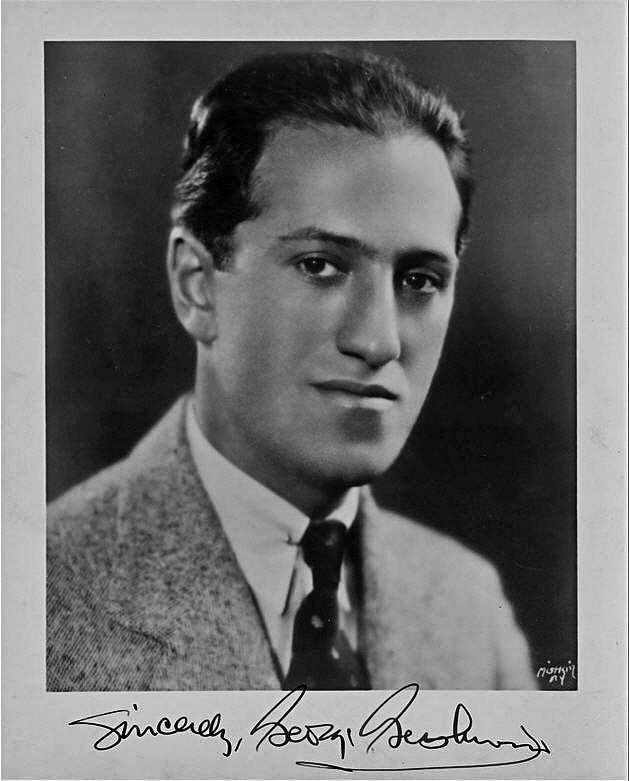
George Gershwin

In the mid-1920s, Classical music (or what he referred to as “serious” music) was very much on George Gershwin’s mind. He was already one of the most successful composers on Broadway when his Rhapsody in Blue premiered in 1924, a groundbreaking fusion of Jazz and Classical styles. He followed up with two equally successful orchestral pieces, the Concerto in F (1925) and An American in Paris (1928). While on an extended visit to Paris, he tried to get composition lessons from Nadia Boulanger, Igor Stravinsky, and Maurice Ravel. All of them turned him down, with Ravel asking: “Why become a second-rate Ravel when you’re already a first-rate Gershwin?” Gershwin also tackled smaller Classical forms in the 1920s: in 1925, he wrote several piano preludes. He had originally planned to do a set of 24, but the always-busy Gershwin finished only seven of them, playing five of these on a recital at New York’s Hotel Roosevelt on December 4, 1925. In the end, he published three of the preludes as a set in 1926. Gershwin’s Three Preludes are widely performed as piano works today, but have also been adapted for many other ensembles, as in this fine arrangement by Bill Holcomb for brass quintet. All of them have Gershwin’s typical Jazz style. The main theme of Prelude No.1 is a bluesy theme stated by the trumpet, with a brief flashy passage for trombone as contrast. All of this is set above a repeating Brazilian rhythm. Prelude No.2 sings the blues, with a laid-back theme for the trumpets, and a soulful tuba solo in the middle. Prelude No.3 begins with a short and frantic introduction before the appearance of the main idea, a syncopated melody with a distinct hint of “stride piano” style. For contrast, there is a short Latin-style episode in the middle.

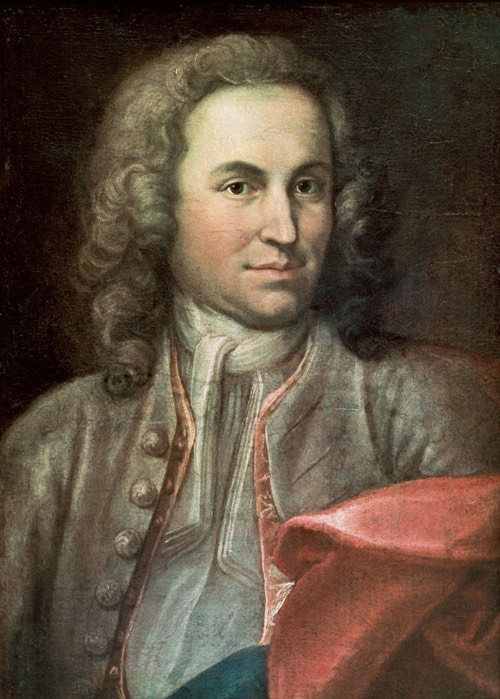
Johann Sebastian Bach (1685-1750)
Fugue in G minor (“Little”), BWV 578, arr. Ronald Romm
Stacks Image 663

Johann Sebastian Bach

We know Bach as one of the great composers of the Baroque, but in the 18th century he was known as one of the great organists of Germany. From his first important organ position in Arnstadt to his 27-year tenure at the Thomaskirche in Leipzig, Bach built a formidable reputation as an organ performer, composer, and improviser. The “Little” Fugue in G minor (so-named to distinguish it from the slightly longer “Great” Fantasia and Fugue in G minor, BWV 542) was composed sometime before 1707, when Bach was in Arnstadt, serving as organist in the Neukirche (New Church) there. At age 18, Bach had taken a position as musician at the court of Weimar, but he quickly found a better post at Arnstadt. Arnstadt, a small city in central Germany, about 40 miles from Bach’s home town, Eisenach, was a fairly provincial and rather dull town at the time, but it proved to be a good initial position. Bach had a particularly fine new organ to work with, and set about composing an impressive set of works for the instrument. The version of this familiar organ work heard here was arranged for the Canadian Brass by trumpeter Ronald Romm. Romm joined the Canadian Brass in 1971, only a year after the ensemble was founded, and performed with the group for nearly 30 years. This is a very effective transformation from one medium to another: Bach’s interweaving organ counterpoint becomes a combination of coordinated solo lines for the five players.

Malcolm Arnold (1921-2006)
Brass Quintet No.1, Op.73

  1. Allegro vivace
  2. Chaconne
  3. Con brio

Stacks Image 693

Malcolm Arnold

The final piece on this program comes from Sir Malcolm Arnold. Arnold, among the most prominent British composers of his generation, began his career as a trumpeter, eventually playing in the London Philharmonic Orchestra. By the late 1940s, however, he turned all of his attention to composition. He was a prolific and successful composer, creating a host of works for orchestra and band (including nine symphonies and several concertos), operas, ballets, chamber music, and well over 100 film scores. At its heart, Arnold’s music is generally conservative, even romantic, in style, though he brought in an eclectic range of musical influences. He composed his Brass Quintet No.1 in 1961, at a time when the now-standard brass quintet was still a relatively new idea, and few composers had written music specifically for this ensemble. This begin to change in 1954 with the founding of the New York Brass Quintet. This ensemble began to commission and premiere works by leading contemporary composers, including Arnold. His Brass Quintet No.1, written for the New York Brass Quintet, remains one of the most frequently-played pieces in the brass quintet repertoire. The lively opening movement (Allegro vivace) begins with a flashy trumpet duet, answered with a syncopated figure by the lower voices, and continues as a free combination of these ideas and several more, including an insistent trombone solo, a 16th-note figure passed quickly between players, and a wide-ranging tuba solo. (The writing for tuba throughout is particularly challenging for a work written in 1961; it was composed for Harvey Phillips, the quintet’s tubist and one of the first true virtuosos on the instrument.) The darker Chaconne is built over a repeating figure introduced by the horn and tuba. This theme is passed between instruments and remains in the background through a series of variations, culminating in a trombone cadenza and a more lyrical tuba solo. The exciting finale (Con brio) is set in a rondo form, beginning with a lively fanfare-style main theme led by the first trumpet. This alternates with contrasting material—a jazzy episode punctuated by trombone smears, a romantic horn solo, and a mysterious interlude for muted trumpets—before a brilliant conclusion.

program notes © 2021 by J. Michael Allsen

Biographies
Stacks Image 787
Cindy Gould has been principal trumpet of the Flagstaff Symphony Orchestra since 2001. She is also principal with Arizona Philharmonic Orchestra, Verde Valley Sinfonietta and regularly performs with the Prescott Pops Symphony, San Juan Symphony in Durango, CO and NAU Elden Brass Quintet. Ms. Gould received her Master’s Degree in trumpet performance and literature from the Eastman School of Music and Music Education degree from the University of Montana. She has taught at Kansas State University, Wright State University and Northern Arizona University. In Cincinnati she was a member of the Cincinnati Ballet Orchestra, Cincinnati Chamber Orchestra, Hamilton Symphony Orchestra, and Ohio Valley Brass Quintet. Additionally she regularly performed with the Cincinnati Symphony, Cincinnati Opera and Cincinnati May Festival Orchestras. In Seattle she was a member of the Washington Brass Ensemble, Bellevue Philharmonic, and Washington Wind Symphony and additionally performed with the Seattle Symphony and Evergreen Brass Quintet. She has also performed in the 1996 and 1998 Arizona Opera productions of Wagner’s Ring Cycle. Her teachers include Louis Ranger, Susan Slaughter, Marie Speziale, and Philip Collins.
Stacks Image 795
Stephen Martin is an active freelance musician, who frequently performs with orchestras, chamber ensembles, and as a soloist. Martin is currently the second trumpet of the Arizona Philharmonic, and principal trumpet of the Chandler Symphony Orchestra. In addition, he performs regularly with the Tucson Symphony Orchestra, West Valley Symphony, and the MusicaNova Orchestra. Previously, he has performed with Phoenix Chamber Brass and appeared with artists, such as: Amy Grant, Micheal W. Smith, Doc Severinsen, Steve Smith, Graham Breedlove, Paulo Padilha, and has toured with La Chica Cumbia. As a soloist, he has performed works by Handel, Tartini, Telemann, and Vivaldi with various ensembles in Minnesota and Arizona.

Martin holds a master of music from Arizona State University, where he studied with renowned soloist and pedagogue, David Hickman. He previously studied at St. Olaf College and completed his bachelor's degree of music at Bemidji State University. His teachers have included, primarily, Bob Dorer, who is currently second trumpet of the Minnesota Orchestra, along with Martin Hodel, Charles Lazarus, and Delon Lyren.
In addition to performing, Martin is an active educator who has taught master classes at various high schools and colleges in the Phoenix area, and maintains a private studio. (In his free time, Martin enjoys cooking, traveling, exploring the outdoors, and chess.)
Stacks Image 803
A native of Virginia, Karen Teplik received her Bachelors in Music Performance from the Cincinnati College-Conservatory of Music where she studied with Michael Hatfield. She completed her Masters of Music Performance from Arizona State University where she studied wit Ralph Lockwood, and was the winner of the concerto competition. In addition to being a free-lance player and private teacher, she is the principal horn of the Tempe Symphony and Tempe Winds, as well as the former principal horn of the Symphony of the Southwest and the Scottsdale Philharmonic. She has played with Southwest Brass, West Valley Symphony, Phoenix Symphony, Cincinnati Symphony and other groups. Karen is principal horn and a founding member of Arizona Philharmonic.
Stacks Image 811
Michael Martinez was appointed Principal Trombone of the Arizona Philharmonic in October 2021. Prior to his appointment, Michael completed his D.M.A degree in Trombone Performance & Literature at the Eastman School of Music in Rochester, NY. During his time as a student, Michael gained professional experience through work with the Rochester Philharmonic Orchestra and Symphoria (Syracuse, NY). Additional training includes work with the Aspen Music Festival, Monteux School and Music Festival, Hot Springs Music Festival, and Pacific Region International Summer Music Festival. In addition to his D.M.A, Michael earned his M.M in Trombone Performance at Texas State University (San Marcos, TX) and his B.M in Music Education at Southwestern University (Georgetown, TX). Michael currently resides in Flagstaff with his fiancee, Emma. In his spare time, Michael enjoys running, hiking, and figuring out new ways to annoy his cats.
Stacks Image 819
Dr. Mark Nelson recently retired after 39 years of service as a music educator, the last 21 years at Pima Community College in Tucson. He continues to teach online on a part time basis and teaches the studio instruction courses for tuba and euphonium music majors. His performance career includes decades of solo tuba recitals where he premiered over 30 new works, most written for him, many band and orchestra solo engagements, 9 years with the Vermont Symphony Orchestra and Vermont Brass Quintet, 5 years with the Millikin Brass Quintet and frequently substituting for the Tucson Symphony Orchestra and Tucson Pops Orchestra. He has performed and lectured in Austria, Australia, Canada, Dominican Republic, England, and Japan. He is currently the principal tubist for the Southern Arizona Symphony Orchestra and an active freelance musician on tuba and bass trombone for the greater Tucson area. He holds the B.A. from Point Loma Nazarene University, the M.M. and D.M.A. from Arizona State University and the M.Ed. in education administration from the University of Vermont. Previous appointments include Professor of Music at Millikin University, Associate Professor of Music at the University of Vermont, and years as a public-school instrumental teacher.
  • Home
  • D'León Quintet
  • AZ Phil Brass
  • Brahms
  • ¡Andalusia!
  • Christmas
  • Sonoran Winds
  • Brandenburg
  • Home  
  • AZ Phil Brass  

Visit the Arizona Philharmonic Website

  • Home  
  • AZ Phil Brass