We Wish You Christmas
December 18, 2021 3PM
Vista Center for the Arts, Surprise, AZ
December 19, 2021 3PM & 7PM
St. Luke's Episcopal Church, Prescott, AZ
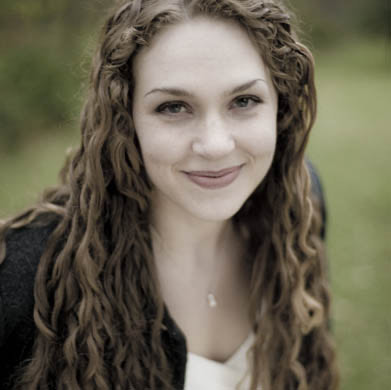
Emily Spencer, soprano & organizer
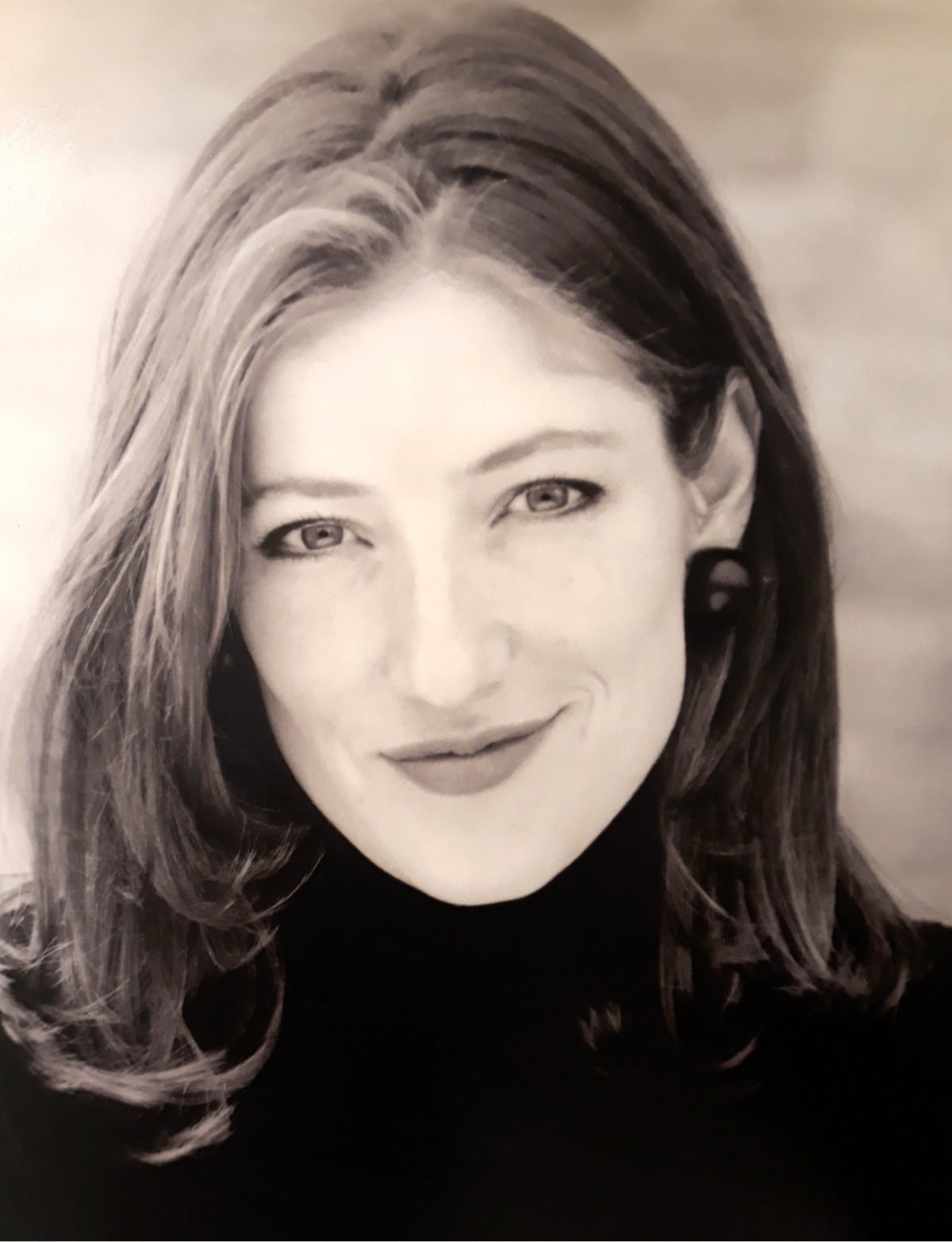
Lindsay Killian, soprano
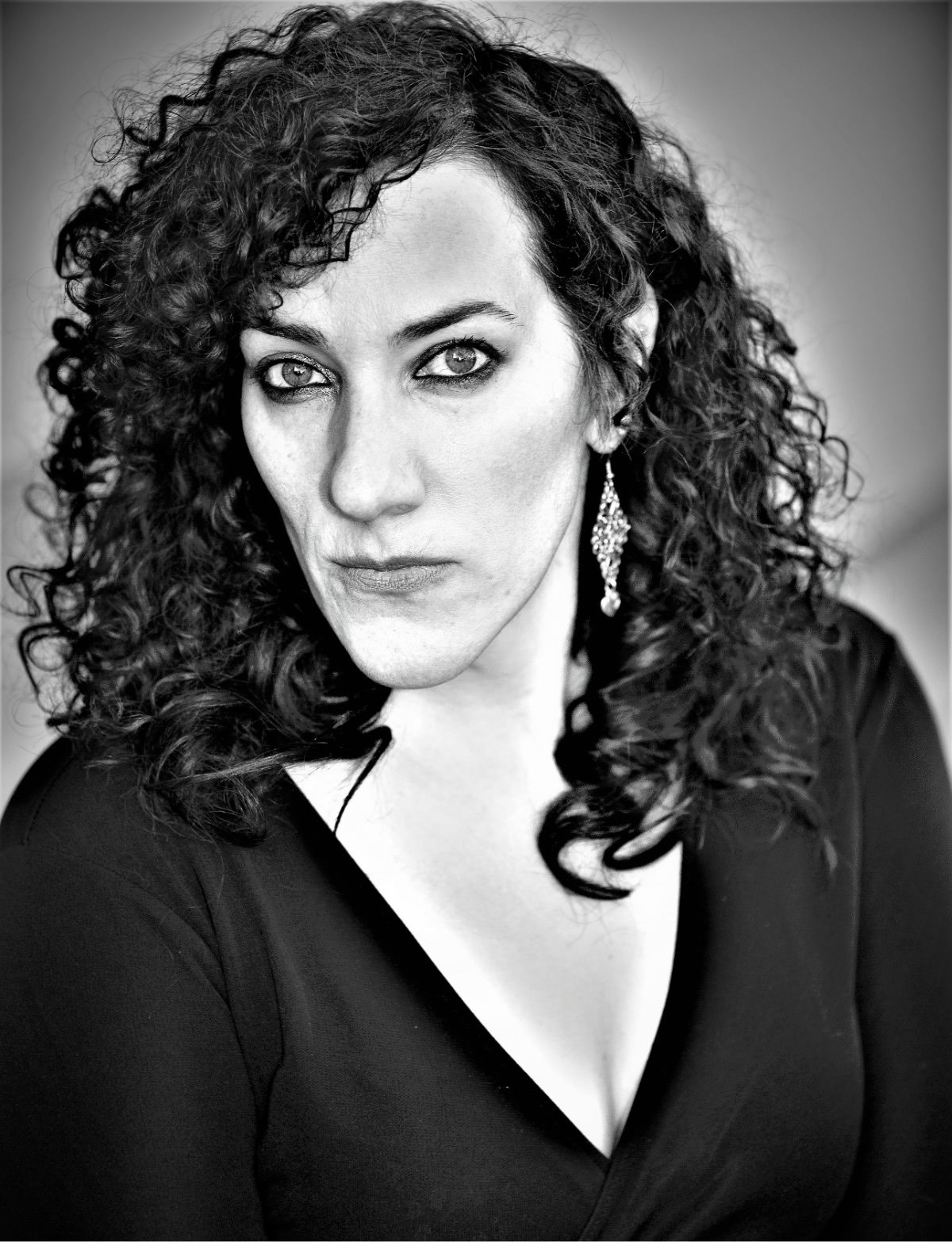
Claire Penneau, mezzo‑soprano
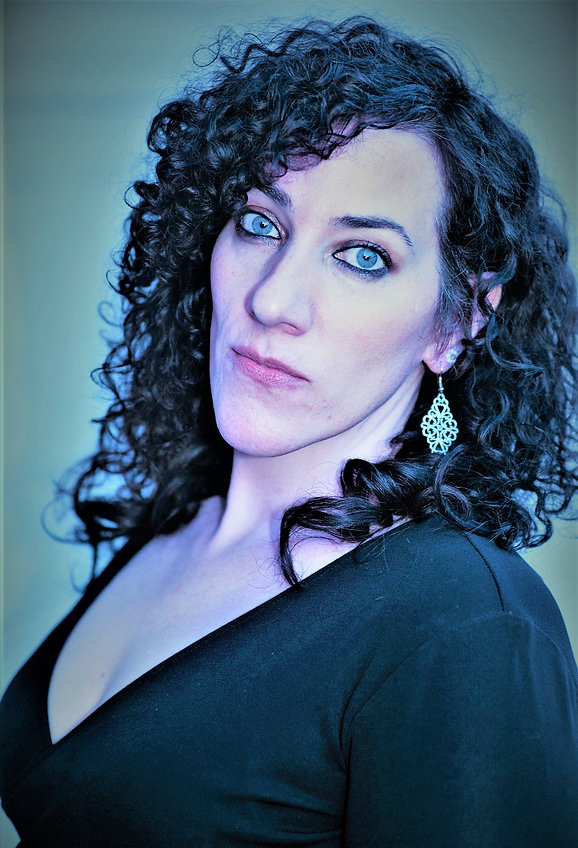
This Arizona Philharmonic program showcases three fine singers: sopranos Emily Spencer and Lindsay Killian, and mezzo-soprano Claire Pennau. It also features a chamber ensemble of Arizona Philharmonic players. This special holiday program has been created for the orchestra by one of our featured performers, Emily Spencer. Most of this music has been arranged specially for this concert by Mathew Lanning.
Program Order and Notes
- Touch this icon to expand each section's program notes.
- Scroll down to read.
Anonymous (16th-century Spanish)
Verbum caro factum es / Y la Virgen le dezía
John Mason Neale (1818-1866)
O Come, O Come Immanuel
Arnold Schoenberg (1874-1951)
Weinachtsmusik
Anonymous (16th-century English)
The Coventry Carol``
Program Order and Notes
- Touch this icon to expand each section's program notes.
- Scroll down to read.
Anonymous (16th-century Spanish)
Verbum caro factum es / Y la Virgen le dezía
John Mason Neale (1818-1866)
O Come, O Come Immanuel
Arnold Schoenberg (1874-1951)
Weinachtsmusik
Anonymous (16th-century English)
The Coventry Carol``
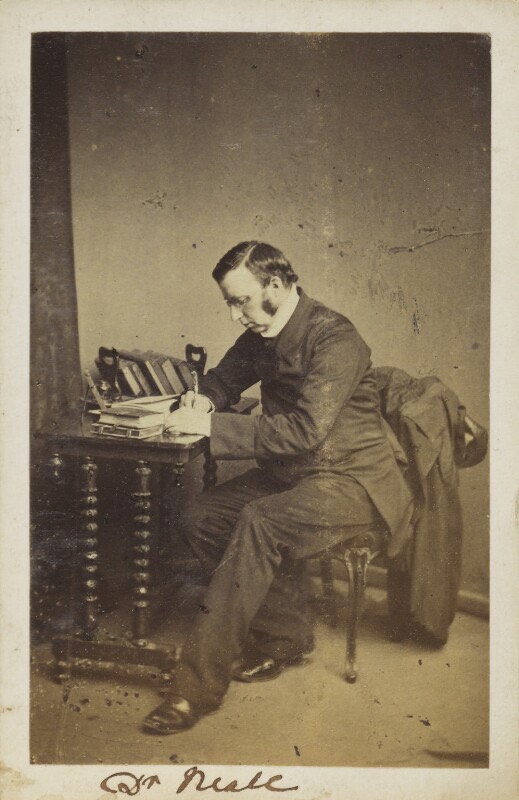
John Mason Neale
We continue with the Christmas hymn that has the most ancient roots of all, O Come, O Come Immanuel. This hymn has its origins in the series of “O antiphons” (O sapientia, O radix Jesse, and several others) that were chanted as early as the 8th century at Vespers on the days leading up to Christmas—each one invoking an aspect of Jesus. In 1851, an English clergyman, John Mason Neale, adapted these ancient texts as an English poem, O Come, O Come Emmanuel and it was later set to the melody of a 15th-century hymn, Veni, Veni Emmanuel. (Translation is below.)

Arnold Schoenberg
by Egon Schiele, 1917
The Coventry Carol was written in 16th-century England. It was originally part of a mystery play—a religious play staged by local trade guilds in the city of Coventry. Mystery plays often included musical interludes, and The Coventry Carol was originally part of a play dramatizing the nativity story from the gospel of Matthew. It begins as a soothing lullaby, but its later verses refer to the “slaughter of the innocents” ordered by King Herod following the birth of Jesus.
Translations
Anonymous, Verbum caro factum es / Y la Virgen le dezía
| Verbum caro factum est | The Word was made flesh | |
| porque todos os salvéis. | for the salvation of us all. |
| Y la Virgen le dezía: | And the Virgin spoke to Him: | |
| vida de la vida mia, | life of my life, | |
| hijo mio, ¿qué os haría, | my son, what shall I do, | |
| que no tengo en qué os echéis? | having nothing in which to dress you? | |
| Verbum caro factum est | The Word was made flesh | |
| porque todos os salvéis. | for the salvation of us all. |
| O riquezas temporales, | O you, the rich of this world, | |
| ¿No daréis unos pañales | will you not give a swaddling cloth | |
| A Jesu que entre animals | to Jesus, born amidst the beasts | |
| Es nasçido según véis? | as you may clearly see? | |
| Verbum caro factum est | The Word was made flesh | |
| porque todos os salvéis. | for the salvation of us all. |
Johann Sebastian Bach (1685-1750)
Schlafe, mein Liebster from the Christmas Oratorio, BWV 248
George Frideric Handel (1685-1759)
excerpts from Messiah
- Recitative: There were shepherds abiding in the field
- Recitative: And the angel said unto them
- Recitative: And suddenly there was with the angel
- Chorus: Glory to God
- Chorus: Hallelujah
Felix Mendelssohn (1809-1847)
Vaterland, in deinen Gauen from Festgesang
(Hark! The Herald Angels Sing)
Peter Ilych Tchaikovsky (1840-1893)
excerpts The Nutcracker, Op.71
- Miniature Overture
- March of the Toy Soldiers
- Dance of the Sugar Plum Fairy
- Russian Dance
- Waltz of the Flowers
Johann Sebastian Bach (1685-1750)
Schlafe, mein Liebster from the Christmas Oratorio, BWV 248
George Frideric Handel (1685-1759)
excerpts from Messiah
- Recitative: There were shepherds abiding in the field
- Recitative: And the angel said unto them
- Recitative: And suddenly there was with the angel
- Chorus: Glory to God
- Chorus: Hallelujah
Felix Mendelssohn (1809-1847)
Vaterland, in deinen Gauen from Festgesang
(Hark! The Herald Angels Sing)
Peter Ilych Tchaikovsky (1840-1893)
excerpts The Nutcracker, Op.71
- Miniature Overture
- March of the Toy Soldiers
- Dance of the Sugar Plum Fairy
- Russian Dance
- Waltz of the Flowers

George Frideric Handel
In 1717 George Frideric Handel moved to England to compose and produce opera. For nearly two decades, Handel was the most successful impresario in England, but by the 1730s, Handel’s Italian opera had gone out of fashion, and he turned increasingly to the English oratorio. His oratorios—dramatic renderings of Biblical stories familiar to his English audiences—were enormously successful, and their popularity endured and grew long after Handel’s death. Messiah of 1741 is, of course, Handel’s most enduring “hit,” but it is somewhat unusual among his oratorios in that his text is a pastiche of direct quotes from the King James version of the Bible. We open with the most dramatic sequence of the Christmas section: a series of three recitatives, the angels speaking to the shepherds, culminating in the exuberant chorus Glory to God. The finale of the set is the famed Hallelujah chorus. While this familiar and joyful chorus is actually the conclusion of the Easter section of the oratorio, it has long since become a standard part of the Christmas season as well.
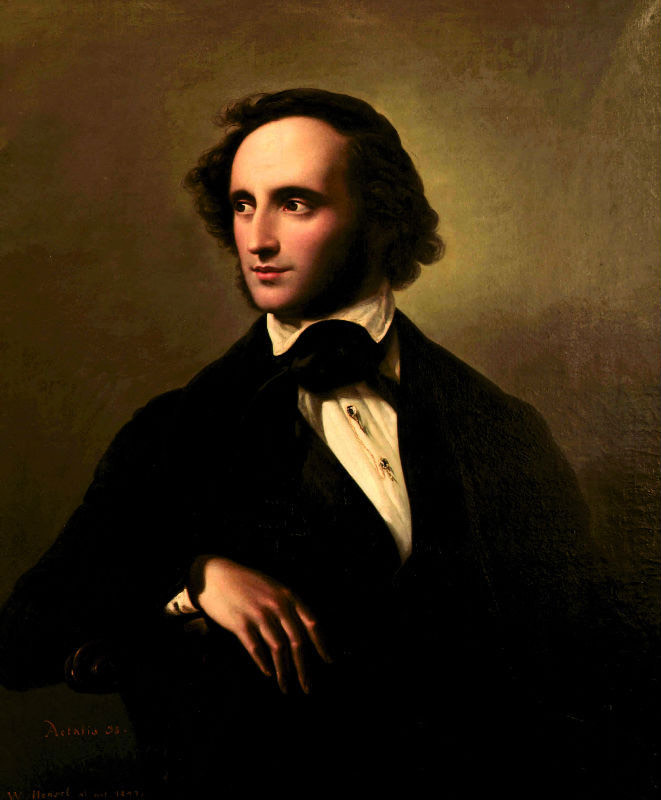
Felix Mendelssohn
Peter Ilych Tchaikovsky composed his ballet The Nutcracker for a performance in St. Petersburg during the Christmas season of 1892. It remains a staple of the ballet repertoire, and his suite of movements from the ballet is one of the most popular orchestral works ever written. Despite its enduring fame, Tchaikovsky was convinced at the time that he had written a flop. He didn’t particularly like the E.T.A. Hoffmann story that was selected as the basis for the ballet, and fought with the original choreographer about every detail. Thankfully, his musical instincts prevailed, and he created a score full of wonderfully evocative music. We present five excerpts from this beloved ballet here.
Translations
Johann Sebastian Bach, Schlafe, mein Liebster
| Schlafe, mein Liebster, genieße der Ruh, | Sleep, my dearest, enjoy your rest, | |
| wache nach diesem vor aller Gedeihen! | wake after this so that all may thrive! | |
| Labe die Brust, empfinde die Lust, | Comfort the breast, feel the pleasure | |
| wo wir unser Herz erfreuen! | with which we make glad our hearts! | |
Intermission
Peter Cornelius (1824-1874)
two songs from Weinachtslieder, Op.8
- Die Hirten
- Christbaum
Johannes Brahms (1833-1897)
Die ihr schwebet, Op.91, No.1
Johann Sebastian Bach
Charles Gounod (1818-1893)
Ave Maria
Intermission
Peter Cornelius (1824-1874)
two songs from Weinachtslieder, Op.8
- Die Hirten
- Christbaum
Johannes Brahms (1833-1897)
Die ihr schwebet, Op.91, No.1
Johann Sebastian Bach
Charles Gounod (1818-1893)
Ave Maria
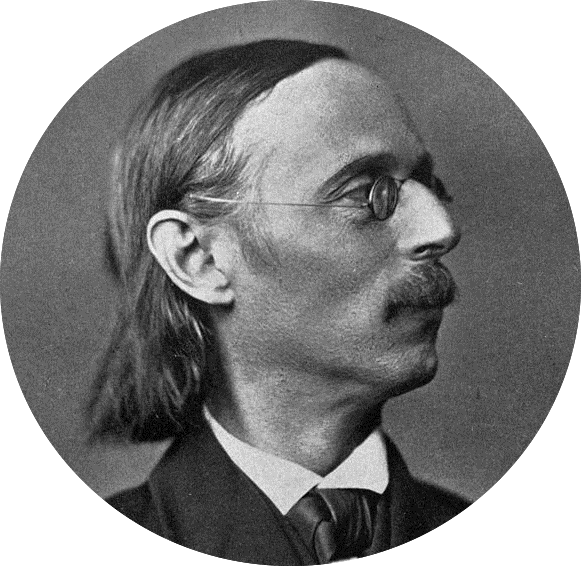
Peter Cornelius
The works of Johannes Brahms were sometimes written for friends, and that is the case the song Die ihr schwebet (You who hover). Among his closest friends was violinist Joseph Joachim, who married the singer Amalie Schneeweiss in 1863. As a wedding gift, Brahms presented them with this song, for alto voice, viola (Joachim was also a fine violist), and piano. It was finally published in 1884, together with another song for the same combination of players. This song, sung in the voice of the Virgin Mary, begins as a slow-paced cradle song above a gently rocking accompaniment. It becomes increasingly turbulent before ending in an exalted mood. In this performance, the viola obbligato has been replaced by cello. (Translation is below.)
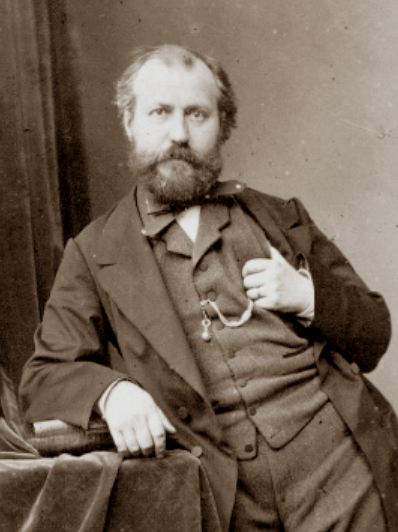
Charles Gonoud
Translations
Peter Cornelius, Die Hirten
| Hirten wachen im Feld, | Shepherds watch in the field; | |
| Nacht ist rings auf der Welt, | night surrounds the world; | |
| wach sind die Hirten alleine | only the shepherds remain awake | |
| im Haine. | in the grove. | |
| Und ein Engel so licht | And an angel so brilliant | |
| grüßet die Hirten und spricht: | greets the shepherds and says: | |
| “Christ, das Heil aller Frommen, | “Christ, the salvation of all pious souls, | |
| ist kommen!” | is come!” | |
| Engel singen umher: | The angels sing all around them: | |
| “Gott im Himmel sei Her’ | “Glory to God in Heaven! | |
| und den Menschen hienieden | And peace to men | |
| sei Frieden!” | down below | |
| Eilen die Hirten fort, | The shepherds hurry forth, | |
| eilen zum heilgen Ort, | hurrying to the holy place, | |
| beten an in den Windlein | to worship the infant | |
| das Kindlein. | in swaddling clothes. | |
Cornelius, Christbaum
| Wie schön geschmückt der festliche Raum! | How beautifully decorated is the festive room! | |
| Die Lichter funkeln am Weihnachtsbaum! | The lights shimmer on the Christmas tree! | |
| O fröhliche Zeit! O seliger Traum! | O glad time! O blissful dream! | |
| Die Mutter sitzt in der Kinder Kreis; | The mother sits among her children; | |
| nun schweiget alles auf ihr Geheiß: | now everyone is silent at her command: | |
| sie singet des Christkinds Lob und Preis. | she sings praise and glory to the Christ child. | |
| Und rings, vom Weihnachtsbaum erhellt, | And all around, lighted by the Christmas tree, | |
| ist schön in Bildern aufgestellt | beautifully shown in pictures, | |
| des heiligen Buches Palmenwelt. | is the palm-filled world of the Holy Book. | |
| Die Kinder schauen der Bilder Pracht, | The children gaze at the pictures’ magnificence | |
| und haben wohl des Singen acht, | and pay close attention to the singing, | |
| das tönt so süß in der Weihenacht! | that sounds so sweet on Christmas Eve! | |
| O glücklicher Kreis im festlichen Raum! | O happy circle in a festive room! | |
| O goldne Lichter am Weihnachtsbaum! | O golden candles on the Christmas tree! | |
| O fröhliche Zeit! O seliger Traum! | O glad time! O blissful dream! | |
Brahms, Die ihr schwebet
| Die ihr schwebet | You who hover | |
| um diese Palmen | around these palms | |
| in Nacht und Wind, | in night and wind, | |
| ihr heilgen Engel, | you holy angels, | |
| stillet die Wipfel! | silence the tree-tops! | |
| Es schlummert mein Kind. | My child is sleeping. | |
| Ihr Palmen von Bethlehem | You palms of Bethlehem | |
| im Windesbrausen, | in the raging wind, | |
| wie mögt ihr heute | why must you bluster | |
| so zornig sausen! | So angrily today! | |
| O rauscht nicht also! | O do not roar so! | |
| Schweiget, neiget | Be still, lean | |
| euch leis und lind; | calmly and gently over us; | |
| stillet die Wipfel! | silence the tree-tops! | |
| Es schlummert mein Kind. | My child is sleeping. | |
| Der Himmelsknabe | The heavenly child | |
| duldet Beschwerde, | suffers distress, | |
| ach, wie so müd er ward | ah, how weary he has grown | |
| vom Leid der Erde. | with the sorrows of the world. | |
| Ach nun im Schlaf ihm | Ah, now that in sleep | |
| leise gesänftigt | his pains might | |
| die Qual zerrinnt, | gently be eased, | |
| stillet die Wipfel! | silence the tree-tops! | |
| Es schlummert mein Kind. | My child is sleeping. | |
| Grimmige Kälte | Fierce cold | |
| sauset hernieder, | blows down on us; | |
| womit nur deck ich | with what shall I cover | |
| des Kindleins Glieder! | my little child’s limbs? | |
| O all ihr Engel, | O all you angels | |
| die ihr geflügelt | who wing your way | |
| wandelt im Wind, | on the winds, | |
| stillet die Wipfel! | silence the tree-tops! | |
| Es schlummert mein Kind. | My child is sleeping. | |
Bach/Gounod, Ave Maria
| Ave Maria, gratia plena, | Hail Mary, full of grace, | |
| Dominus tecum; | the Lord is with you; | |
| benedicta tu in mulieribus, | you are blessed among women, | |
| et benedictus fructus ventris tui. | and blessed is the fruit of your womb. | |
Mykola Dmytrovich Leontovych (1877-1921)
Peter J. Wilhousky (1902-1978)
Carol of the Bells
Gustav Holst (1874-1934)
Christina Rossetti (1830-1894)
In the Bleak Midwinter
Anonymous (16th-century English)
Greensleeves (What Child Is This?)
Pietro Yon (1886-1943)
Gesù Bambino, arr. Linda Spevachek
Adolphe Adam (1803-1856)
O Holy Night, arr. Stephen DeCesare
John Rutter (b. 1945)
I Wish You Christmas
Mykola Dmytrovich Leontovych (1877-1921)
Peter J. Wilhousky (1902-1978)
Carol of the Bells
Gustav Holst (1874-1934)
Christina Rossetti (1830-1894)
In the Bleak Midwinter
Anonymous (16th-century English)
Greensleeves (What Child Is This?)
Pietro Yon (1886-1943)
Gesù Bambino, arr. Linda Spevachek
Adolphe Adam (1803-1856)
O Holy Night, arr. Stephen DeCesare
John Rutter (b. 1945)
I Wish You Christmas
.jpeg)
Mykola Dmytrovich Leontovych
Sometime before 1872, the English poet Christina Rossetti wrote her In the Bleak Midwinter, intending it for the American literary magazine Scribner’s Monthly. It was never published during her lifetime, however, but this Christmas poem became one of her most enduringly popular works. Rossetti’s poem has received several attractive musical settings, but the most familiar version was written by Gustav Holst in 1906 for The English Hymnal.
The English tune Greensleeves was first published in 1580 as the accompaniment to ballad titled A Newe Northen Dittye of ye Ladye Greene Sleves. The original lyrics were distinctly secular (and may even have had a naughty subtext), but the tune was also used to set a few sacred hymns. The most famous of these was in 1865, when the melody was paired with William Dix’s Christmas hymn What Child Is This? Mathew Lanning’s arrangement of the tune presents a calm set of variations on this lovely melody.
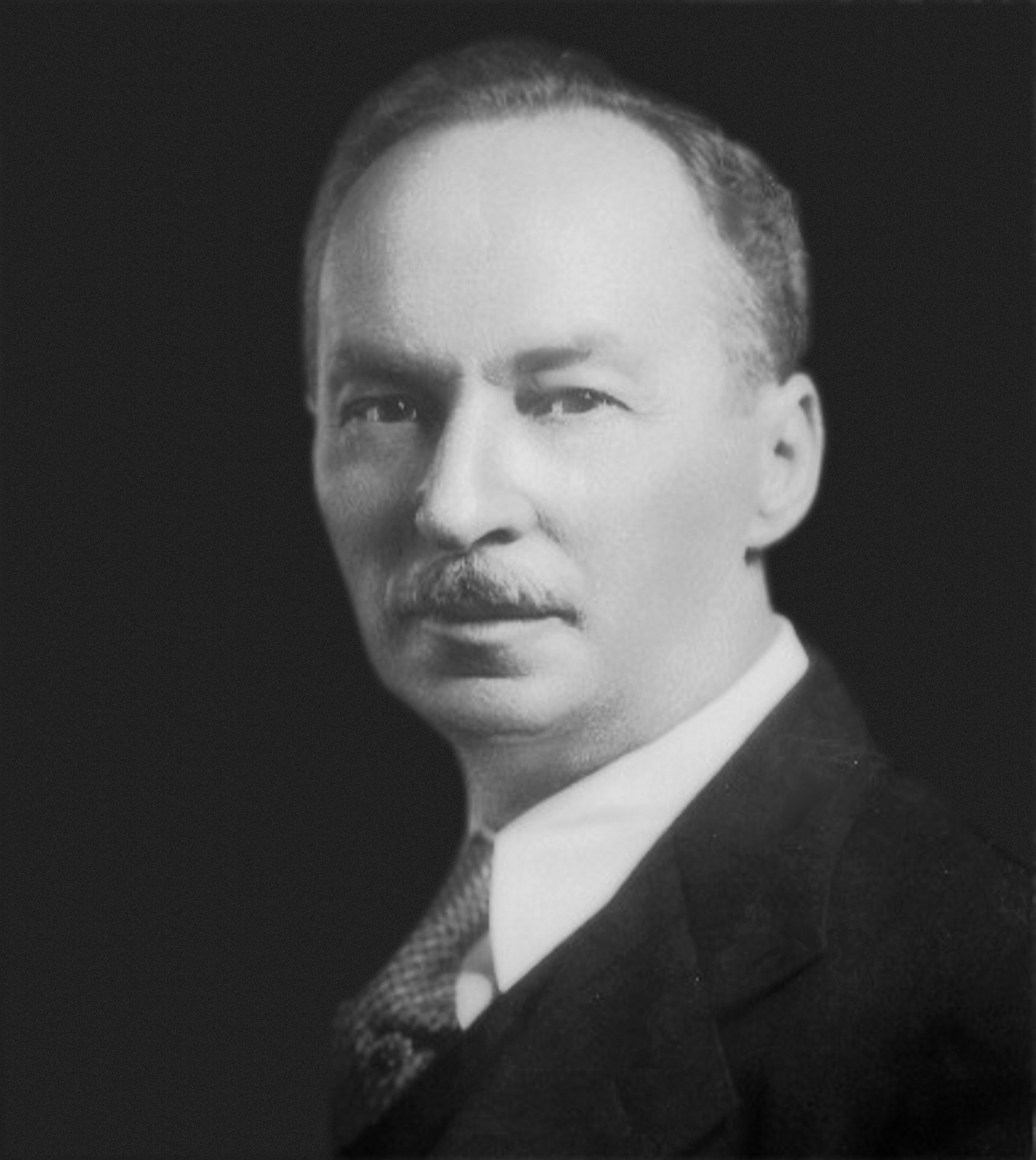
Pietro Yon
Though he was respected in his day as composer of operas and ballet scores Adolphe Adam is known to American audiences almost exclusively for his Christmas carol Cantique de Noël. Written in 1847 as a setting of a two-verse Christmas poem by Mary Cappeaux, this carol was later adapted by J. S. Wright as a three-verse English carol, O Holy Night.
Englishman John Rutter has explained that Christmas music has “always occupied a special place in my affections, ever since I sang in my first Christmas Festival of Nine Lessons and Carols as a nervous ten-year-old boy soprano...the high point of our singing year, diligently rehearsed and eagerly anticipated for weeks beforehand. Later, my voice changed and I turned from singing to composition, but I never forgot those early Highgate carol services...” His 2008 I Wish You Christmas—which we have adapted as the title of this program—is a profound wish for the things that really matter in this season: family, friends, peace, and joy.
program notes © 2021 by J. Michael Allsen
Biographies
program notes © 2021 by J. Michael Allsen
Biographies
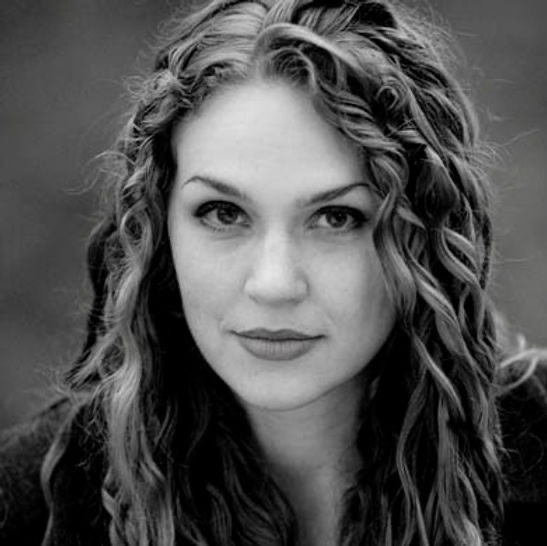
Ms. Spencer’s solo concert credits include Caldara’s Stabat Mater, J.S. Bach's St. John Passion, Magnificat, and Jesu, meine Freude, BWV 227, Handel's Messiah, Haydn's Lord Nelson Mass and Mass in Time of War, Mozart's Vesperae solennes de confessore, Brahms' Neue Liebeslieder, Britten’s Ceremony of Carols, and Forrest’s Requiem for the Living. She was the recipient of a scholarship to study with opera coach Timothy Shaindlin, who has served on the music staffs of the Metropolitan Opera and Lyric Opera of Chicago. She also studied with Jamie Johns, Associate Musical Director of The Phantom of the Opera National Tour.
Ms. Spencer is an inaugural member of the Prescott-based professional 12-voice ensemble Quartz. She resides in Prescott, AZ with her husband and five children.
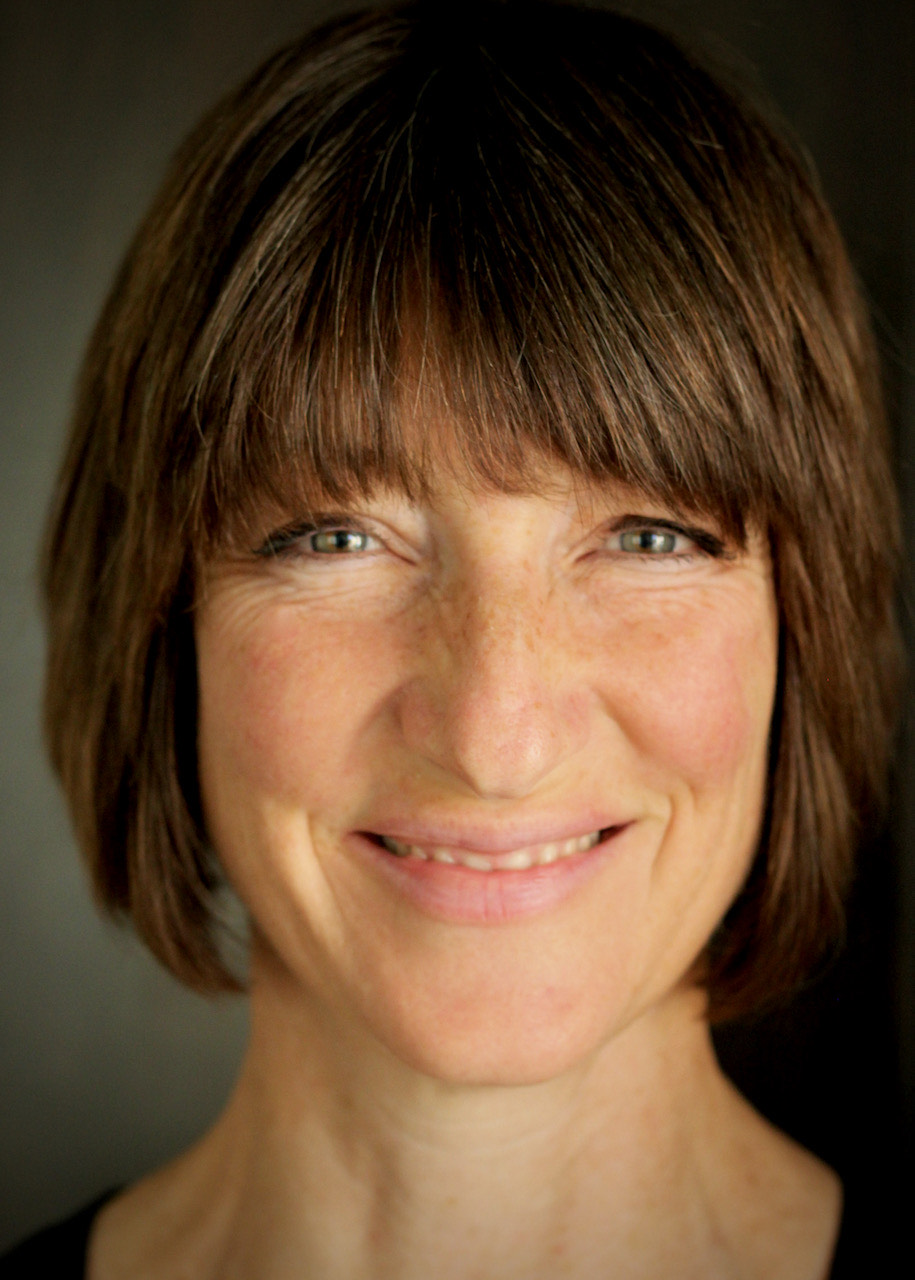
She has performed in recitals including at Lincoln center in New York, and at the Rachmaninoff conservatory and on the stage of the Rostov-on-Don Philharmonic, as well as in multiple cities throughout Russia and the U.S.
She is a winner of the 2000 Metropolitan Opera National Council Auditions, among other prestigious singing awards, a mother of 4 including triplets, and a nutrition, vocal, and spacial movement guide.