Sonoran Winds Quintet
November 14, 2021
Yavapai Performing Arts Center, Prescott, AZ
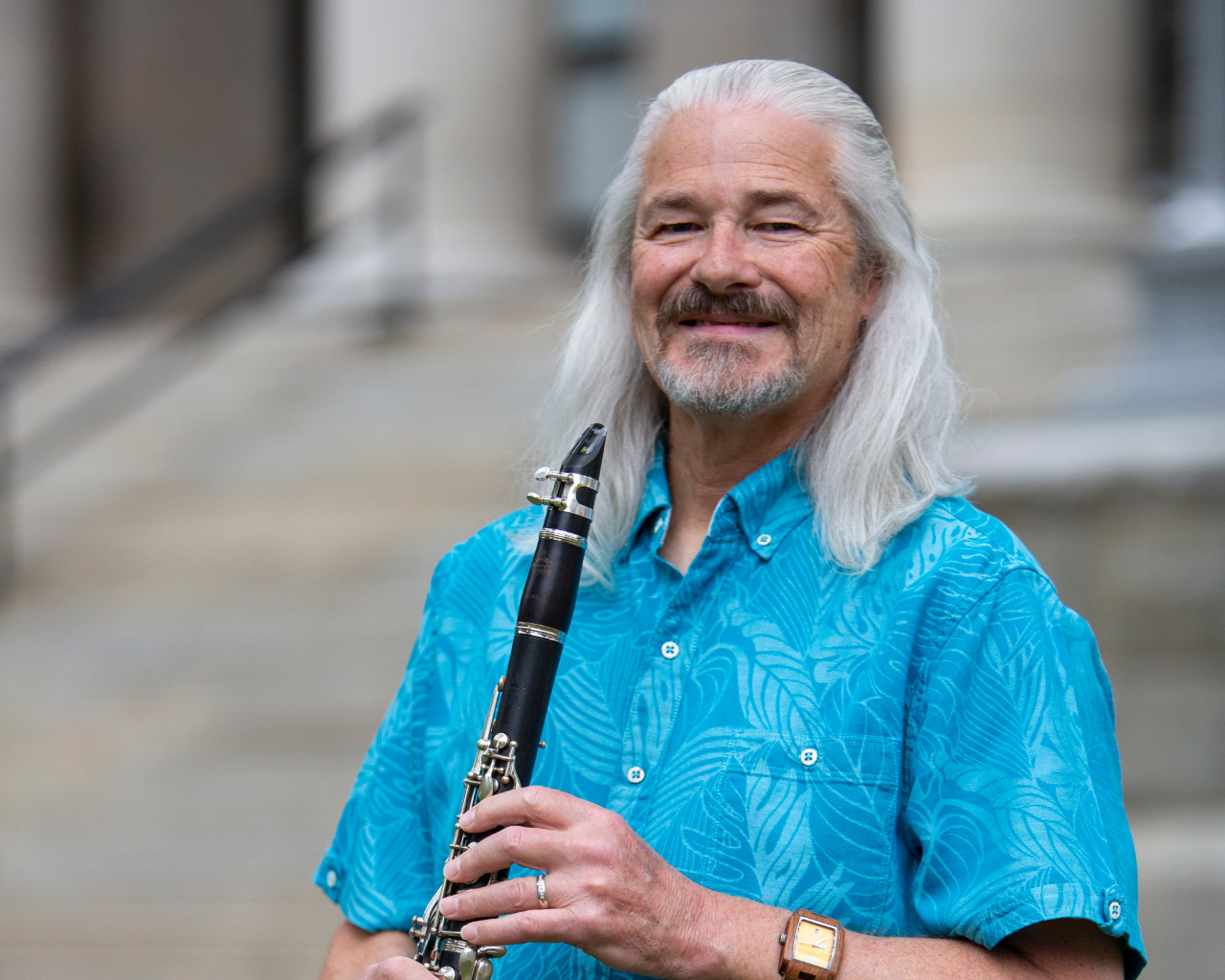
Scott Richardson, clarinet & organizer
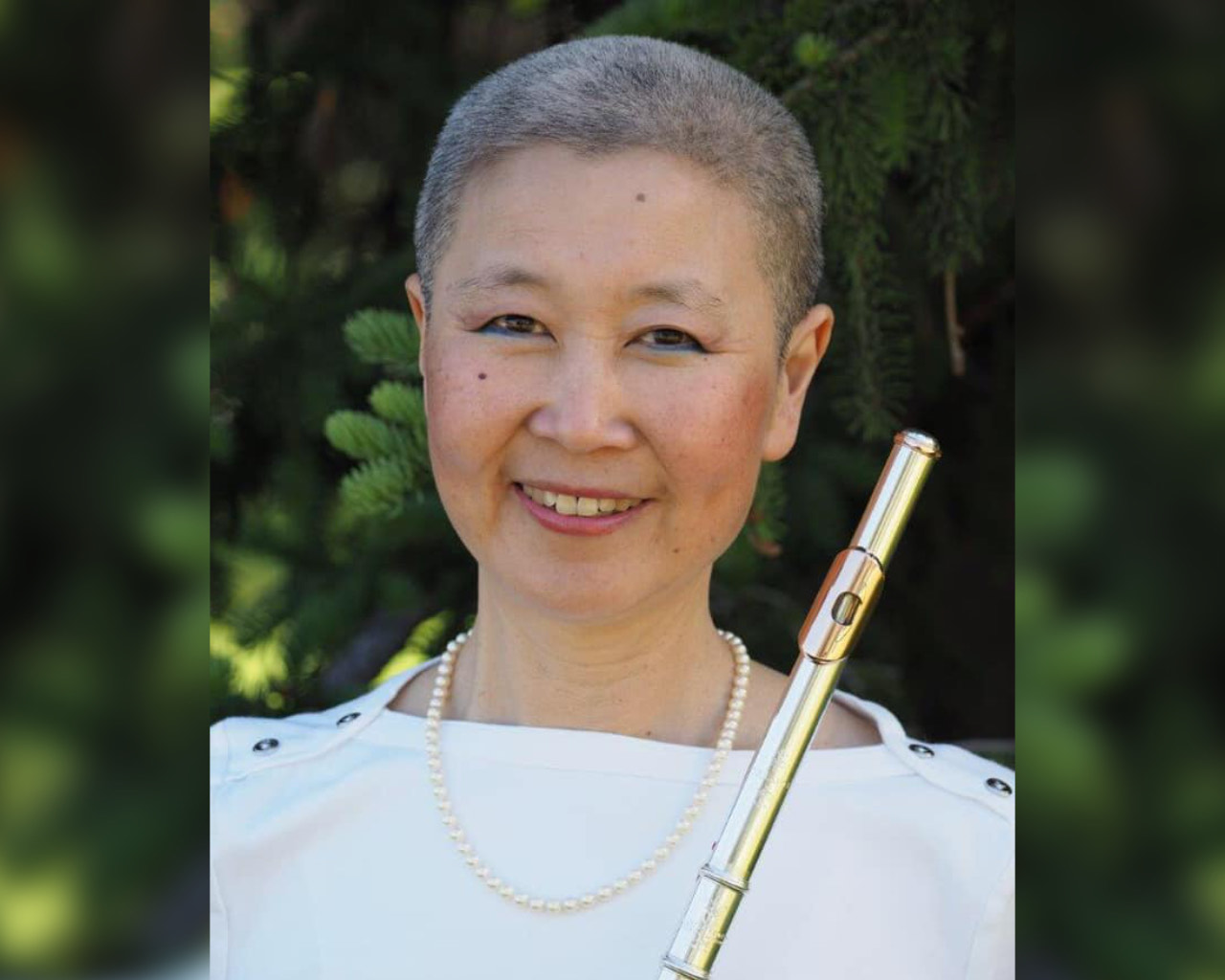
Jeannette Hirasawa Moore, flute
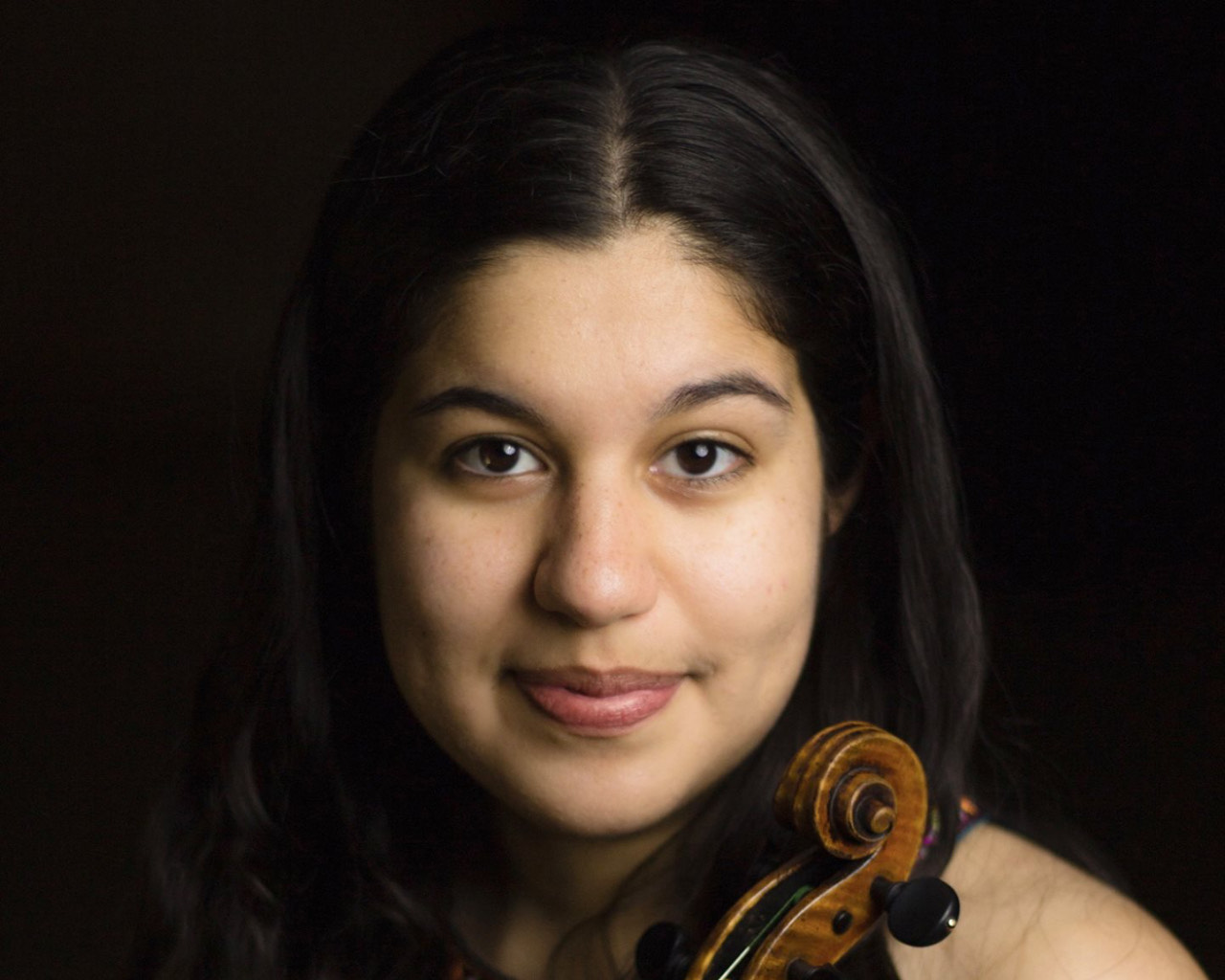
Dr. Laura Arganbright, oboe
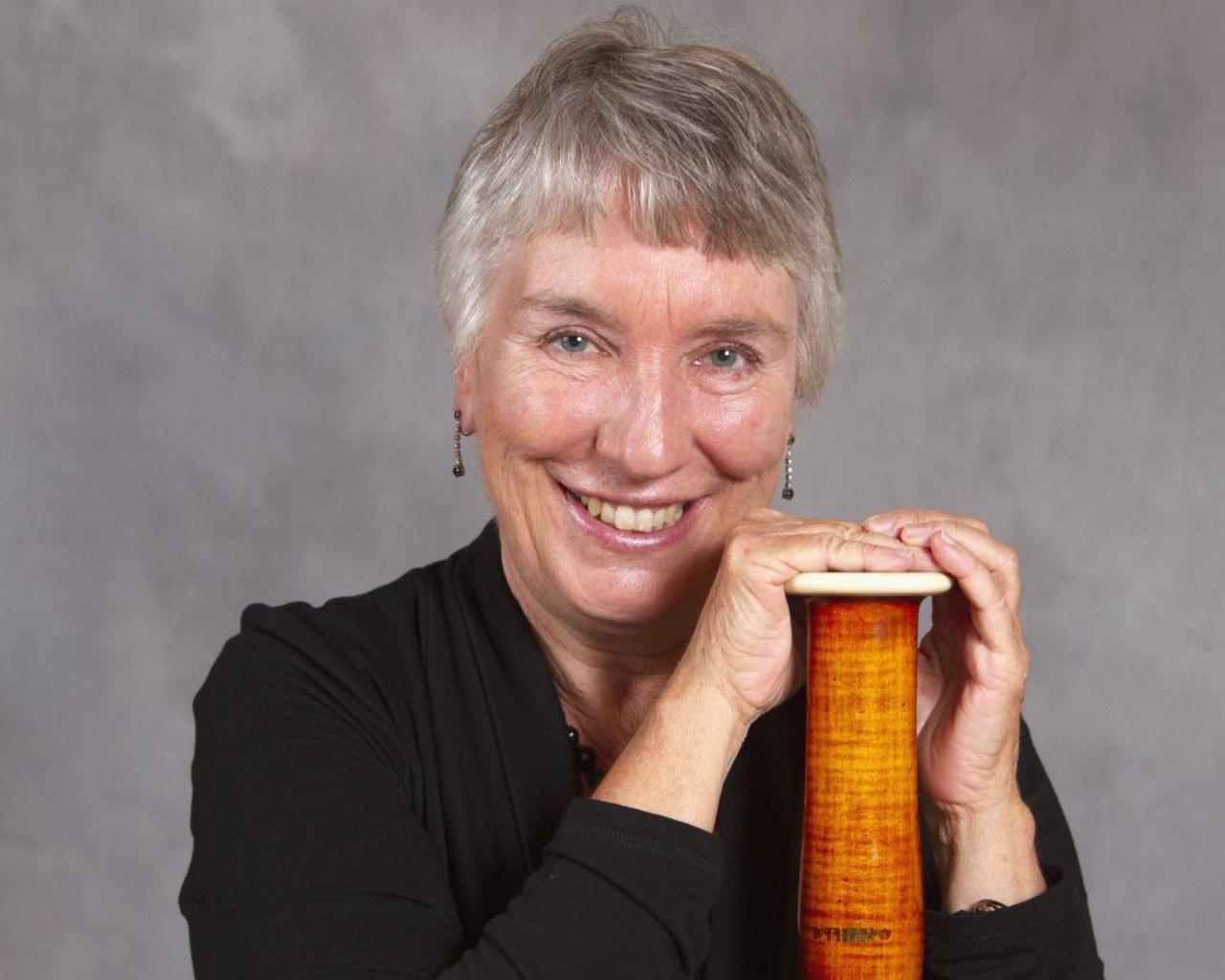
Jill Marderness, bassoon

Rose French, French horn
This Arizona Philharmonic program features the Sonoran Winds Quintet, all of them members of the orchestra. Composers have been writing wind quintets for the now-standard grouping of flute, oboe, clarinet, bassoon, and horn for over two centuries now, attracted by the unique diversity of timbres available in this ensemble. Our program begins, appropriately, at the beginning of the wind quintet repertoire, with one of the delightful early 19th-century quintets by Franz Danzi that helped to establish the wind quintet as a standard classical ensemble. The program also includes smaller groupings, as in a virtuosic, but thoroughly tongue-in-cheek duo for flute and horn by Jan Bach. Our first half ends with a French Romantic work by Charles Lefebvre. After intermission, the quintet performs a colorful arrangement of a J.S. Bach organ concerto, and one of the best-known 20th-century wind quintets, composed by Jacques Ibert. Next is a duo for clarinet and bassoon attributed to Beethoven, and a charming early work by Igor Stravinsky. We conclude with a lighthearted set of dances by Denes Agay
Program Order and Notes
- Touch this icon to expand each section's program notes.
- Scroll down to read.
Franz Danzi (1763-1826)
Wind Quintet in B-flat Major, Op. 56, No. 1
- Allegretto
- Andante con moto
- Menuetto
- Allegro
Program Order and Notes
- Touch this icon to expand each section's program notes.
- Scroll down to read.
Franz Danzi (1763-1826)
Wind Quintet in B-flat Major, Op. 56, No. 1
- Allegretto
- Andante con moto
- Menuetto
- Allegro
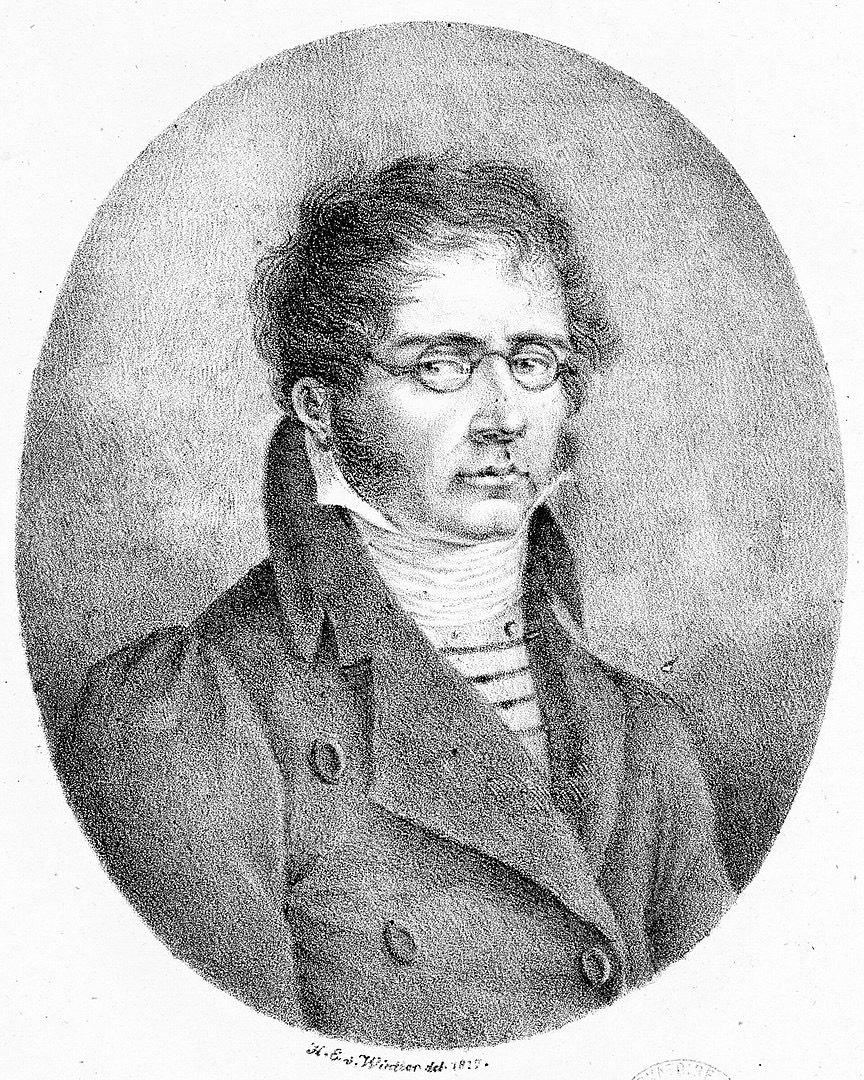
Franz Danzi
A few composers had written music for the wind quintet in the 1790s and 1800s, but it was the music of two younger composers that truly popularized this ensemble: the 24 wind quintets Anton Reicha published between 1817-1820 and the nine quintets by Danzi that appeared in 1819-1824. Danzi clearly knew and admired Reicha’s quintets: he not only dedicated his first set of three quintets, Op. 56, to Reicha, he closely followed the musical model that Reicha established. The Wind Quintet in B-flat Major is the first work in this set. Its opening movement (Allegretto) is set in a tidy sonata form, working with two main ideas, a marchlike melody heard in the oboe at the beginning and a more lyrical melody introduced by the horn and oboe. A compact development section opens with some startling harmonic twists on the opening theme. Danzi’s recapitulation is shortened and includes some further development of his main themes. The opening section of the second movement (Andante con moto) spins out from a pretty, but slightly melancholy oboe melody. Lighter music from the bassoon provides a moment of contrast before the opening music returns, and the movement ends with an extended coda. The Menuetto opens with lively music from the full ensemble, an upbeat version of this traditional courtly dance. The contrasting trio section, however, is a more relaxed Laendler laid out in a series of witty musical conversations among the quintet’s players. The movement ends with a shortened repeat of the opening music. The closing Allegro is a lively rondo, with an exuberantly skipping main theme alternating with a pair of contrasting ideas. The first of these weaves together flashy lines from all five instruments and the second is brief moment of minor-key seriousness in the center of the movement.
Jan Bach (1937-2020)
Four Two-Part Contraptions for Flute and Horn
- Second Lieutenant
- Calliope
- Gramophone
- Pinwheel
Jan Bach (1937-2020)
Four Two-Part Contraptions for Flute and Horn
- Second Lieutenant
- Calliope
- Gramophone
- Pinwheel
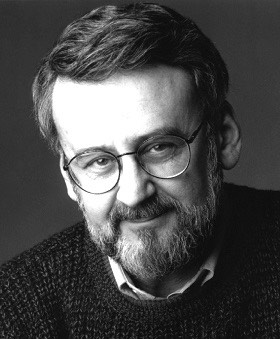
Jan Bach
“These little duets were written during one of the winter months of early 1964, while the composer was defending his country with his trusty French horn in the U. S. Army Band. They were intended as a birthday gift for a former horn student of his, then a sophomore co-ed at the University of Michigan, whose roommate played the flute. The work’s title, which generated the work’s content, is an obvious satirical jibe at another composing Bach, now decomposing, and his Two-Part Inventions for keyboard. Strange to say, the two performers for whom the work was originally written never performed it. The work’s first public performance was given by two outstanding high school performers during a young people’s concert presented by the St. Petersburg (Florida) Symphony at the Bayfront Auditorium in that city in early 1966. The work’s 1970 publication by Media Press is in large part responsible for its world-wide distribution and notoriety; to the composer’s eternal embarrassment, it remains his most frequently performed composition.”
Bach provides short introductions to each of the Contraptions, which he encourages the performers to read aloud. Second Lieutenant, about an “officer whose military bearing cannot quite conceal his true nature,” is all harsh, aggressive military signals until a quick burst of silliness at the very end. In Calliope, “With delusions of grandeur, the organ of the big top attempts a romantic waltz.” This is a fractured, wrong-note waltz, which cannot quite manage stay in triple time! In Gramophone, “An early low-fi phonograph plays broken-record variations on a 1920s dance tune.” The duo plays frenetic, jazzy music with constant interruptions as the record starts to skip. (The hornist is called on to whack her mute with a drumstick.) At the end, you clearly hear the moment when frustrated listener whips the needle off of the record. According to Bach, in the last movement, Pinwheel, “This contraption leaves the players breathless.” This is an intense and frantic two minutes of music, as the two players trade motives back and forth—with little space to breathe—until a humorous ending.
Charles Lefebvre (1843-1917)
Suite No. 1 for Wind Quintet, Op. 57
- Canon: moderato
- Allegro scherzando
- Allegro leggiero
Charles Lefebvre (1843-1917)
Suite No. 1 for Wind Quintet, Op. 57
- Canon: moderato
- Allegro scherzando
- Allegro leggiero

Charles Lefebvre
Lefebvre’s Suite No. 1 for Wind Quintet was commissioned by the French Society for Chamber Music for Wind Instruments. The first two movements were played publicly in 1882, and the complete three-movement Suite premiered in 1884. It is probably one of the works that was being recognized when the French national Academy of Fine Arts awarded him the Prix Chartier for chamber music that year. Lefebvre’s Romantic, but rather conservative style shines in the opening movement, Canon: moderato. The music evolves in a dense texture, with constant imitation between the five parts. The second movement (Allegro scherzando) is much lighter, with a lively main theme played against a stubborn two-note horn fanfare. The contrasting middle section is briefly tragic, but soon lightens for a series of solos by horn, oboe, and flute. The movement ends with a return of the opening music and a short coda. The finale (Allegro leggiero) begins with light, dancelike music. A sinuous bassoon passage leads to a more serious contrasting idea. A short development section opens with a brief fugue, before Lefebre returns at the end to the main theme.
Intermission
Johann Sebastian Bach (1685-1750)
Organ Concerto in A minor, BWV 593
(arranged by Mordecai Rechtman)
- Allegro
- Larghetto e spiritoso
- Allegro
Intermission
Johann Sebastian Bach (1685-1750)
Organ Concerto in A minor, BWV 593
(arranged by Mordecai Rechtman)
- Allegro
- Larghetto e spiritoso
- Allegro
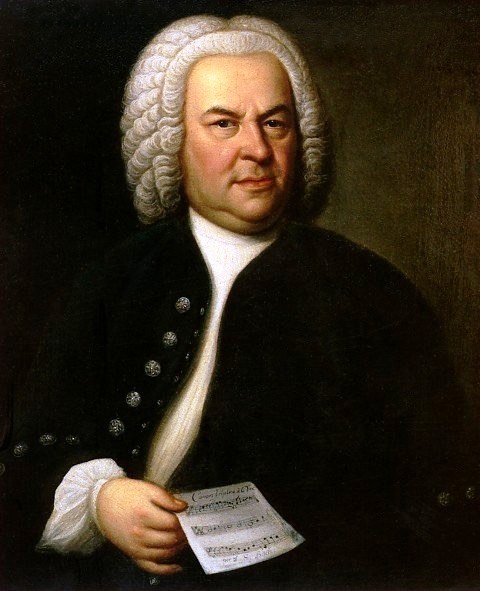
J.S. Bach
The Organ Concerto in A minor is an arrangement of Vivaldi’s Concerto for Two Violins in A minor, Op. 3, No. 8. At this program, we hear an imaginative rearrangement of Bach’s arrangement for wind quintet, which was created for the Israel Woodwind Quintet by the quintet’s bassoonist, Mordecai Rechtman. In the opening Allegro, Rechtman distributes the lively solo lines among all five instruments, creating a kaleidoscope of constantly changing tone color. The second movement (Larghetto e spiritoso) begins with a statement of a theme that will be repeated throughout, with some development, beneath emotional solo lines. Again, the arranger distributes solo material democratically across the group, but here the effect is more stark: allowing the players to interpret these passionate melodic lines. The final Allegro is a series of flashy solo and duet lines, often set against more sedate unison ideas.
Jacques Ibert (1890-1962)
Three Short Pieces
- Allegro
- Andante
- Allegro
Jacques Ibert (1890-1962)
Three Short Pieces
- Allegro
- Andante
- Allegro
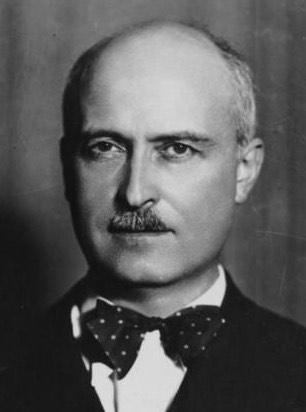
Jacques Ibert
The piece opens (Allegro) with a mock-serious fanfare, but the oboe quickly launches into a lively dancelike idea. This is repeated by flute, oboe, and clarinet, and then varied, building into a moment of slightly shocking dissonance. The movement ends with a repeat of the oboe melody and an acceleration into a vivacious coda. The Andante is largely a long, emotional duet for flute and clarinet. Ibert waits until the very end to introduce the rest of the quintet. The closing Allegro begins with another fanfare, this one rather droopy, before the mood shifts abruptly and the clarinet launches into a lively melody. The middle section runs quickly through a series of slightly serious flute solos, a loopy little waltz, and a brisk closing passage. The movement ends with a reprise of the lively clarinet theme, a brief remembrance of the waltz, and a quick-footed coda.
Ludwig van Beethoven [?] (1770-1827)
Duo No. 2 in F Major for Clarinet and Bassoon, WoO 27
- Allegro affetuoso
- Aria: Larghetto
- Rondo: Allegretto moderato
Ludwig van Beethoven [?] (1770-1827)
Duo No. 2 in F Major for Clarinet and Bassoon, WoO 27
- Allegro affetuoso
- Aria: Larghetto
- Rondo: Allegretto moderato
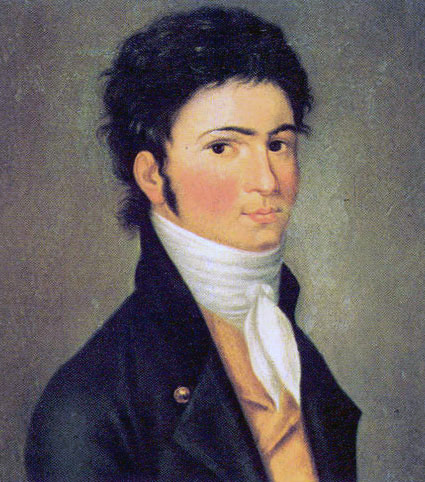
Beethoven (1801)
Whoever wrote these duos, however, they are delightful Classical-style pieces intended for skilled players, and they were probably written at a time when the clarinet was still a relative novelty. The Duo No. 2 in F Major opens with a movement in sonata form (Allegro affetuoso). The clarinet carries most of the melody, introducing two equally lyrical themes with a sometimes flashy bassoon accompaniment. The short development section includes a few mild harmonic surprises, before a varied recapitulation of the opening section. The second movement (Aria: Larghetto) is a melancholy song led entirely by the clarinet, above a flowing bassoon background. At the very end, there is a miniature clarinet cadenza that sets up the final movement (Rondo: Allegretto moderato). In this quick and exuberant rondo, there is a much more equal partnership between the two instruments, as they quickly pass ideas back and forth. The main theme, heard in full at the beginning and end, alternates with a series of equally light contrasting ideas.
Igor Stravinsky (1882-1971)
Pastorale
(arranged by Trevor Cramer)
Igor Stravinsky (1882-1971)
Pastorale
(arranged by Trevor Cramer)
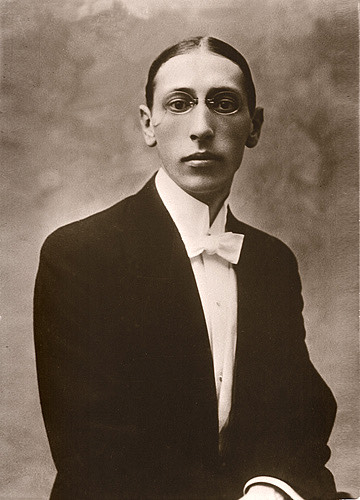
Stravinsky (1910)
Denes Agay (1911-2007)
Five Easy Dances
- Polka
- Tango
- Bolero
- Waltz
- Rumba
Denes Agay (1911-2007)
Five Easy Dances
- Polka
- Tango
- Bolero
- Waltz
- Rumba
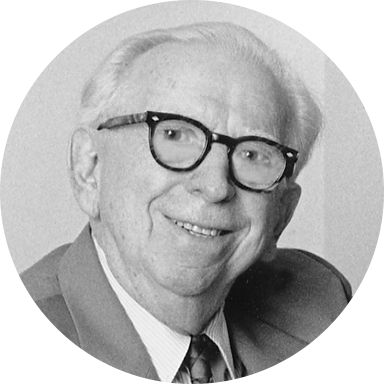
Denes Agay
Agay wrote his Five Easy Dances in 1956. These bright, lighthearted little pieces are often used, as they are here, as an upbeat conclusion to wind quintet programs. The set begins with a lively and slightly manic Polka. Agay’s Tango is a rather cheerful take on this seductive dance. The Bolero begins with a slinky oboe melody before the bassoon introduces a new idea, and the dance ends with a chirpy, tongue-in-cheek coda. In the Waltz, all five players take turns playing a series of attractive melodies. The closing Rumba is a jazzy version of this popular Cuban dance.
program notes © 2021 by J. Michael Allsen
Biographies
program notes © 2021 by J. Michael Allsen
Biographies
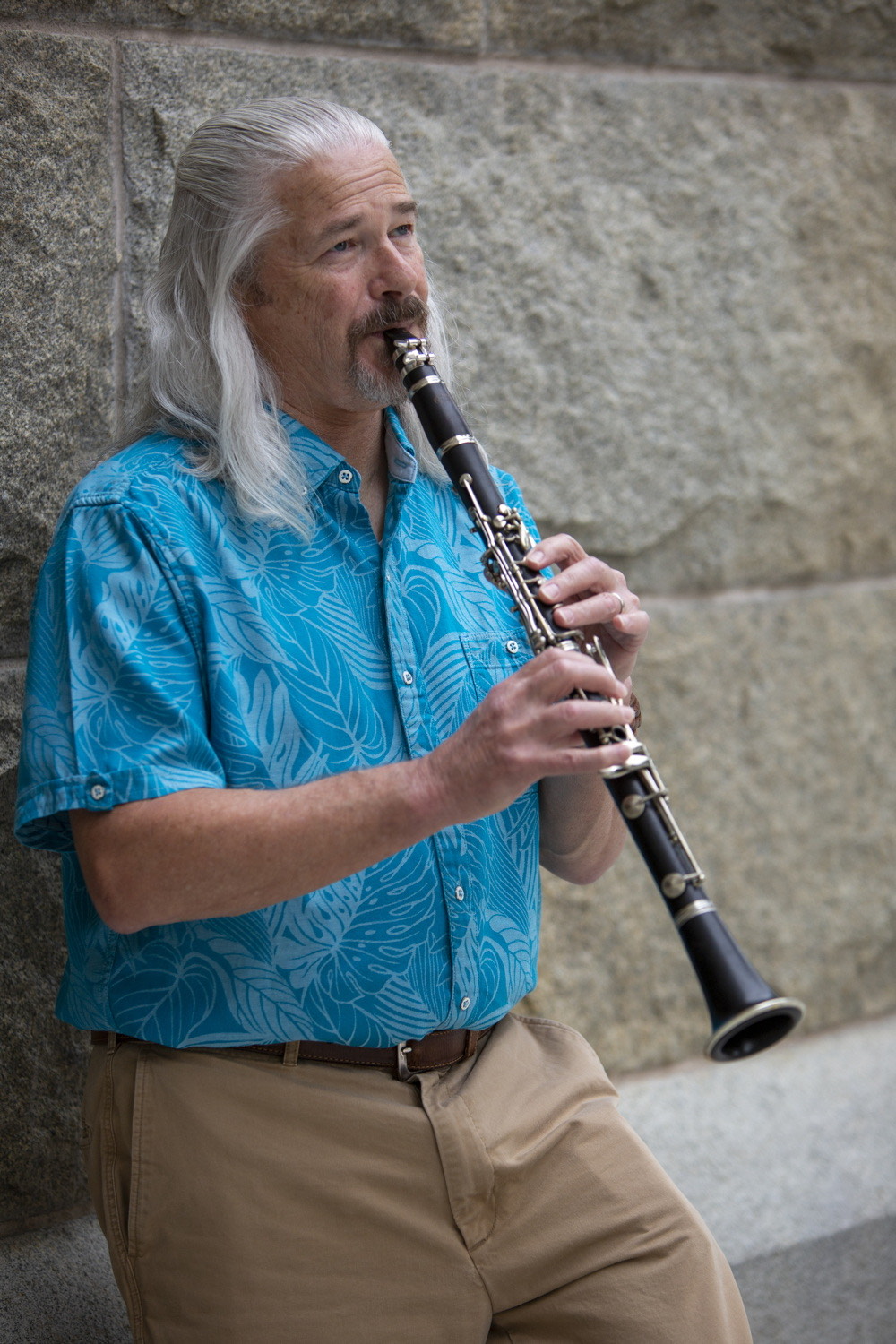
In 1990 he joined the Band of the Golden West at March Air Force Base, California where he was Principal Clarinetist. While in California, Scott also performed as Principal Clarinetist in the Desert Symphony in Palm Springs and with the Inland Empire Orchestra, and the Mountain Chamber Orchestra. In 1994 Scott auditioned for and won a clarinet position with the Air Force Band of the Rockies (currently the Air Force Academy Band in Colorado Springs) where he remained until his retirement in 2014. Scott was featured as a frequent soloist in the Concert Band during his career in the Air Force Academy Band. His favorite solo in which he was featured is the Artie Shaw’s Concerto for Clarinet, which he performed on tours in both 2001 and 2007.
Aside from performing on clarinet in the Concert Band, Scott also performed in the Rampart Winds Woodwind Quintet, and the Solar Winds Clarinet Quartet. In addition, he performed on baritone sax, bass clarinet and clarinet in the Falconaires Big Band from 2007-2012. Scott was the Principal Clarinetist in the First United Methodist Church Orchestra while living in Colorado Springs. From 2008-2013, Scott performed regularly with the Fort Collins Symphony Orchestra and the Denver Municipal Band. Since relocating to Prescott several years ago, Scott was featured as a soloist last season with the Prescott Pops Symphony in John Williams Viktor’s Tale for Solo Clarinet.
He is currently Principal Clarinetist in Arizona Philharmonic and Verde Valley Sinfonietta. He also performs on bass clarinet, clarinet and saxophone in the Prescott Pops Symphony. He recently performed with both the Las Vegas Philharmonic and the Flagstaff Symphony Orchestra and regularly performs with the Yavapai College Pit Orchestra for musical productions on both clarinet and saxophone. He is happily married to his lovely wife Julie and they both enjoy fine dining, traveling and relaxing at home with their two feline daughters.
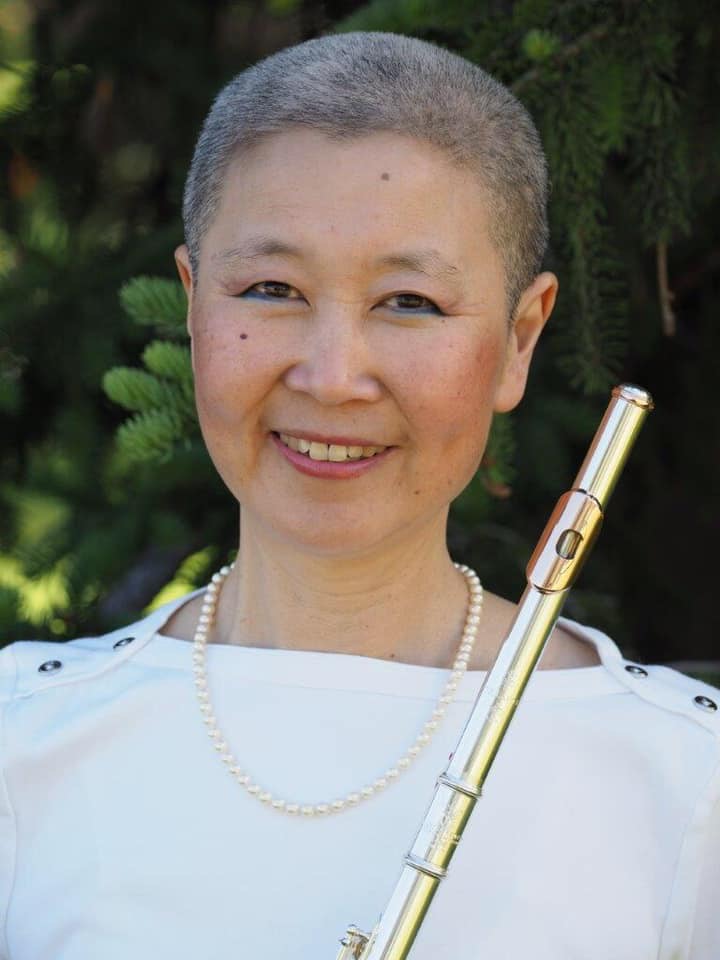
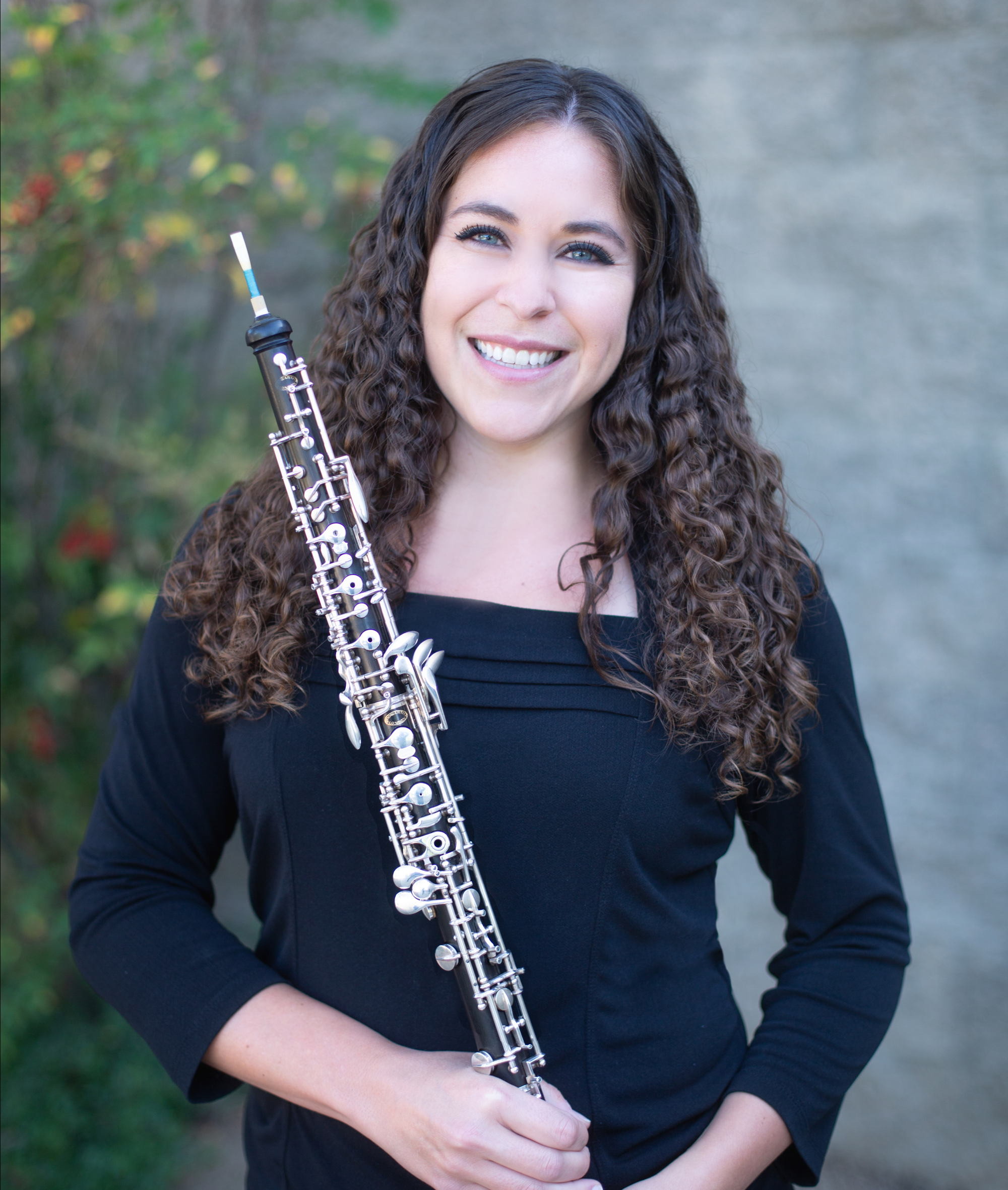
Laura is passionate about music education and fostering music appreciation in youths. She serves as the Recorder and Oboe Teaching Artist for the Los Angeles Philharmonic YOLA program, an El Sistema based organization that provides music education in traditionally underserved communities. Laura maintains a robust and competitive private studio and has operated a handmade oboe reed business since 2015. Equally enthusiastic about reed-making pedagogy, Laura has presented master classes at the University of Southern California and serves as the reed-making coach for all current oboe majors.
Laura completed the Doctor of Musical Arts at USC in 2018. She graduated with honors and was awarded the Brandon Mehrle Service Award in recognition of individuals who demonstrate extraordinary support of the Thornton School of Music through a commitment of energy and professional expertise. Laura’s teachers include Marion Kuszyk, Joel Timm, and Martin Schuring. When not playing oboe, teaching oboe, or making oboe reeds, Laura can probably be found hiking, backpacking, camping, or generally indulging in a love for nature.
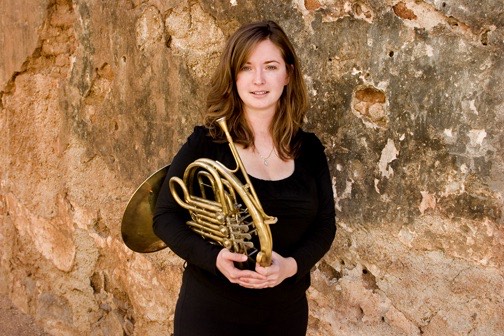
Rose has been a guest artist and chamber music coach at the Saarburg (Germany) International Chamber Music Festival and Interlochen Center for the Arts and has given master classes, recitals and lectures on arts entrepreneurship at numerous universities throughout the United States. She hosted the 2017 and 2012 Southwest Horn Regional Workshop where she performed the Concerto for Two Horns by Haydn with soloist Bruno Schneider. She serves as Exhibits and Advertising Coordinator for the International Horn Society, maintains a private studio, and teaches at Rosie’s House: a non-profit music academy that provides free instruction and instruments to under-served youth. She has published two books, Rangesongs (2012) and Horn Player’s Songbook (2015), both published by Mountain Peak Music. French completed her Doctorate of Musical Arts and Master of Music degrees at Arizona State University and hold degrees in Music Education, Music Technology, and Performance from Duquesne University.

Renowned as an artist teacher, Ms. Marderness has taught on the faculties of Saint Cloud State University, Interlochen Center for the Arts, Blue Lake Fine Arts Camp, Grand Canyon University, Maricopa Community Colleges and performed as an Educational Recording Artist for Carl Fischer Publishing Company with Trade Winds in Tampa, Florida. She has performed with Chamber Music Sedona, Red Rocks Music Festival, for children at Matsumoto Gakuen in Tokyo, Japan, and with the Flint Symphony, Duluth Symphony, Colorado Philharmonic and more. Her awards include the Silver Medal of the Minnesota Orchestra Young Artist Competition presented by Neville Marriner and both the Fischoff Competition Best Wind Group prize and Munich Competition semi-finalist selection with Quintessence.
Ms. Marderness is currently contracted with the Arizona Opera Orchestra and regularly engaged by the Phoenix Symphony Orchestra, Tucson Symphony Orchestra and Arizona Musicfest Festival Orchestra. Since 2004, Jill has served as Administrative Assistant for the Red Rocks Music Festival, and in 2007 she Co-Founded Scottsdale Neighborhood Arts Place www.yoursnap.org where she is currently Director of Operations. In 2012 Artistic Director David Shifrin appointed Ms. Marderness as Artistic Manager and in 2014 Operations Associate for the Winter Festival of the Phoenix Chamber Music Society.
In Michigan as resident artist at the Bay View Music Festival since 1979, Jill has “worn many hats” including performing all musical genres on bassoon and saxophone, performs with the Bay View Wind Quintet and Festival Orchestra, coaches chamber music, teaches Thriving in the Arts and Income from Outreach, and has accompanied Choristers and served as Music Librarian. Since 2008 Ms. Marderness has served as Youth Music Coordinator to develop the Music & Munchies, Tunes for Tots, and Behind the Scenes series plus The Rising Stars concert for the community music students of Bay View.
Jill resides in Scottsdale, Arizona with her husband Fred Marderness, percussionist with the Phoenix Symphony Orchestra. Their daughter Emily is a Geography and Linguistics double major at the University of Arizona. Jill practices Bikram Yoga, enjoys healthy cooking, and loves riding the many beautiful bike trails in Scottsdale and the Little Traverse Bay area of northern Michigan.